











返回列表
辣椒叶片 SPAD 值监测与可视化结合高光谱特征波段优化研究
农业监测
2026/09/21
摘要:叶绿素含量是植物光合作用的重要指标,直接影响作物的生长和产量。利用高光谱成像技术快速无损估算辣椒叶 片 SPAD 值及其分布反演,对辣椒生长期间的农业监测和精准施肥具有重要意义。本研究选取不同叶位的辣椒叶片样本 150个,采集样本叶片的高光谱图像数据和SPAD值。采用相关系数法、稳定性竞争自适应重加权抽样法(( sCARS)和迭 代保留信息变量法(( IRIV)筛选特征波段,并结合偏最小二乘回归(( PLSR)、极端梯度提升法(( XGBoost)、随机森林回 归法(( RFR)、梯度提升决策树(( GBDT)建立回归模型。研究结果表明:(1)IRIV-XGBoost模型在建模和反演阶段综合 性能最强,其R2cv、RMSEcv、MAEcv分别为0.81、2.76、2.30;(2)利用IRIV-XGBoost模型计算辣椒叶片各像素SPAD 值,进而反演出辣椒叶片不同叶位的叶绿素分布图,可为作物长势直观监测提供支持,为高光谱田间动态监测传感器的 研制奠定基础。
关键词:辣椒叶片;SPAD值;高光谱反演;特征波段选取
期刊:Sensors
DOI:https://DOI.org/10.3390/s22010183
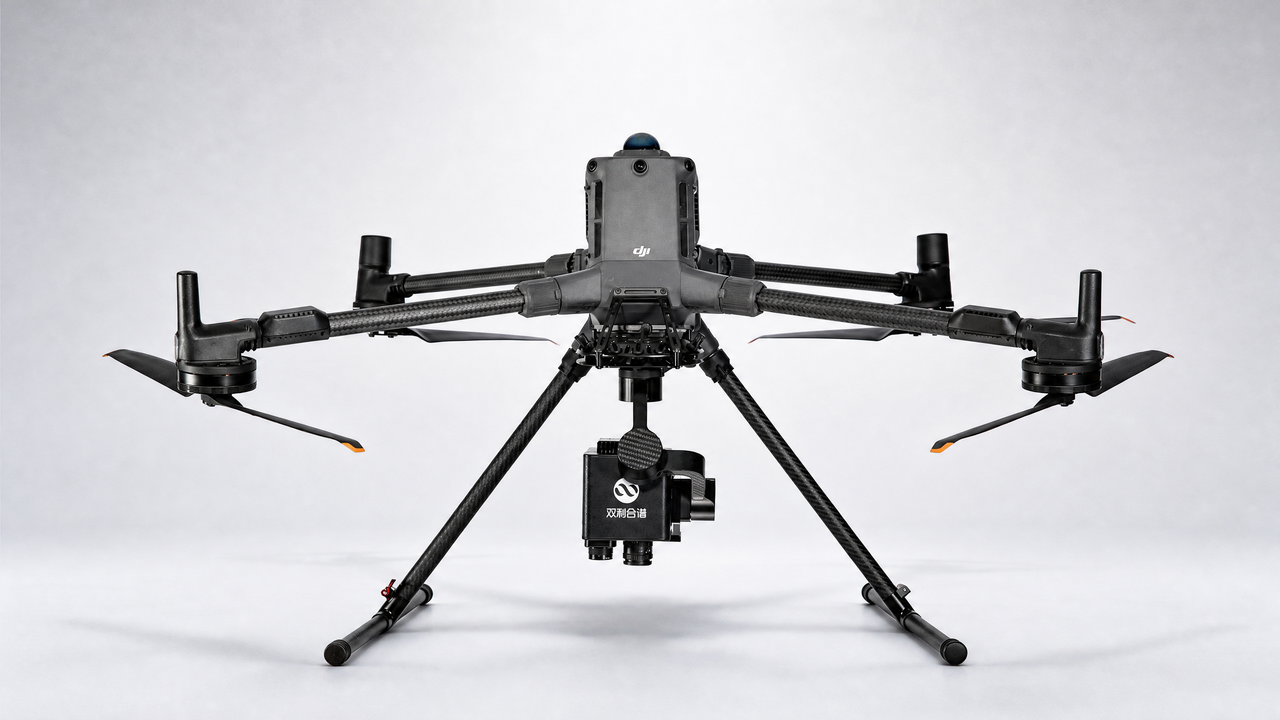
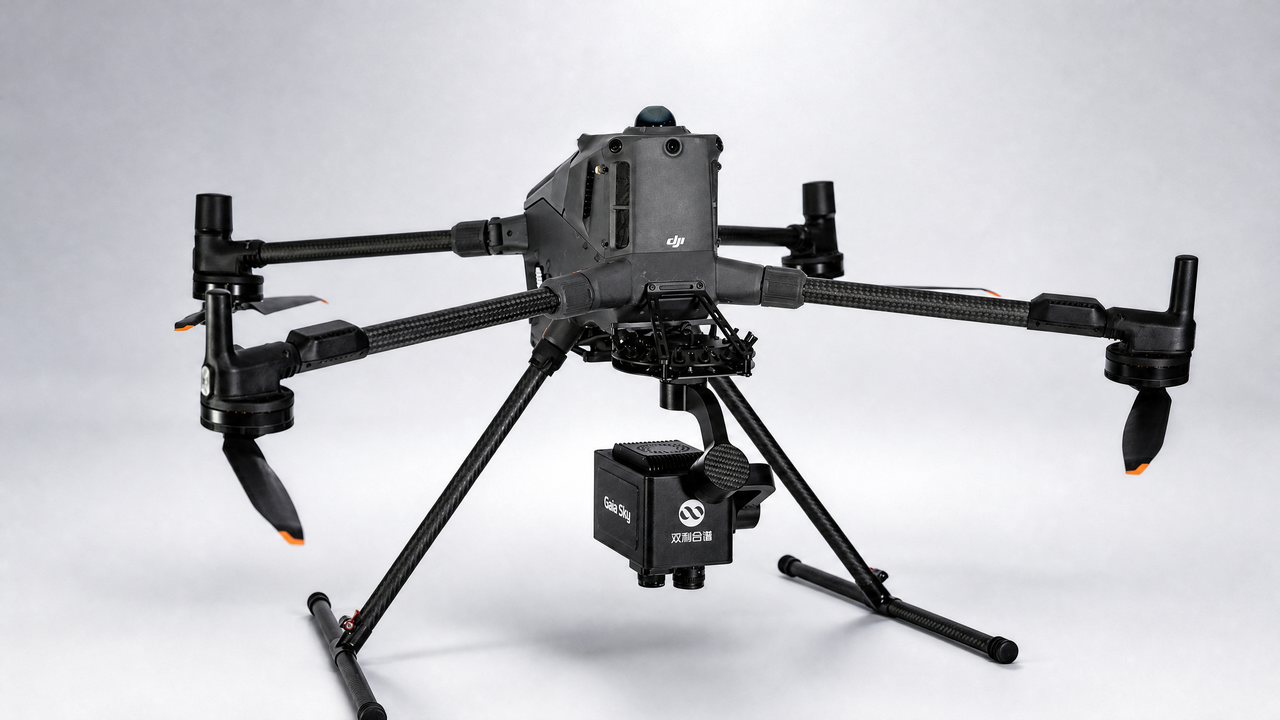
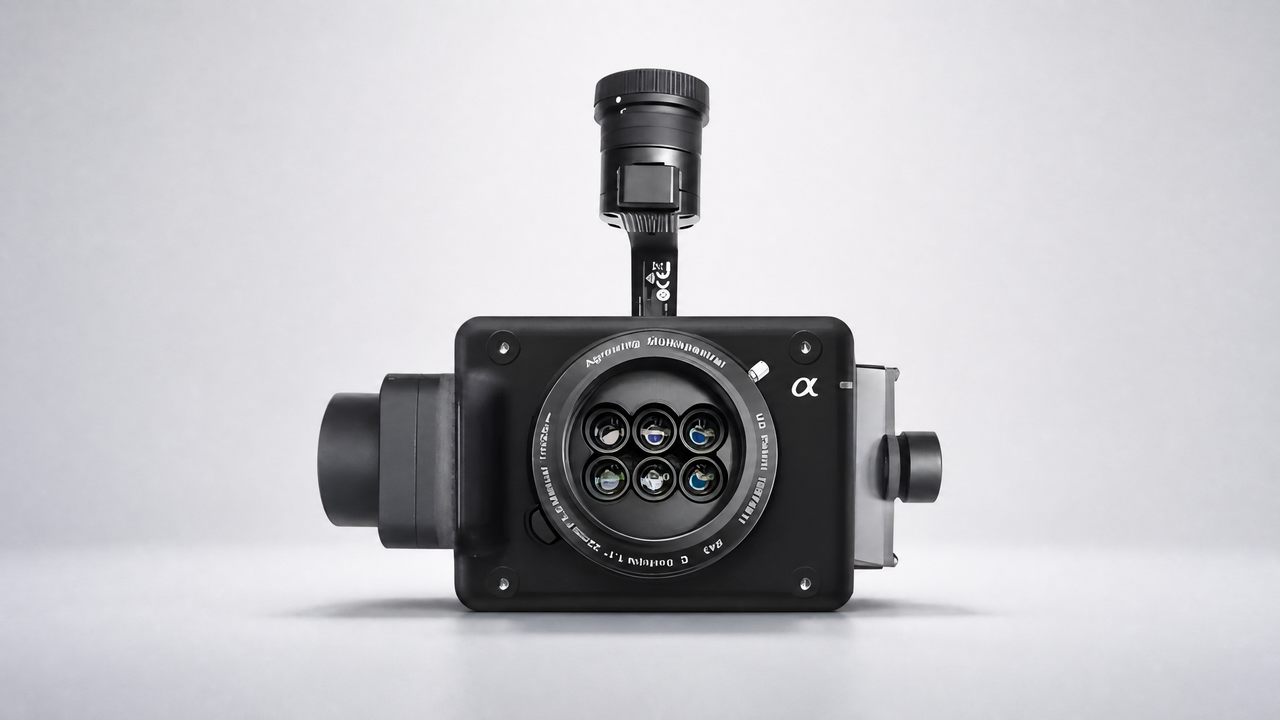
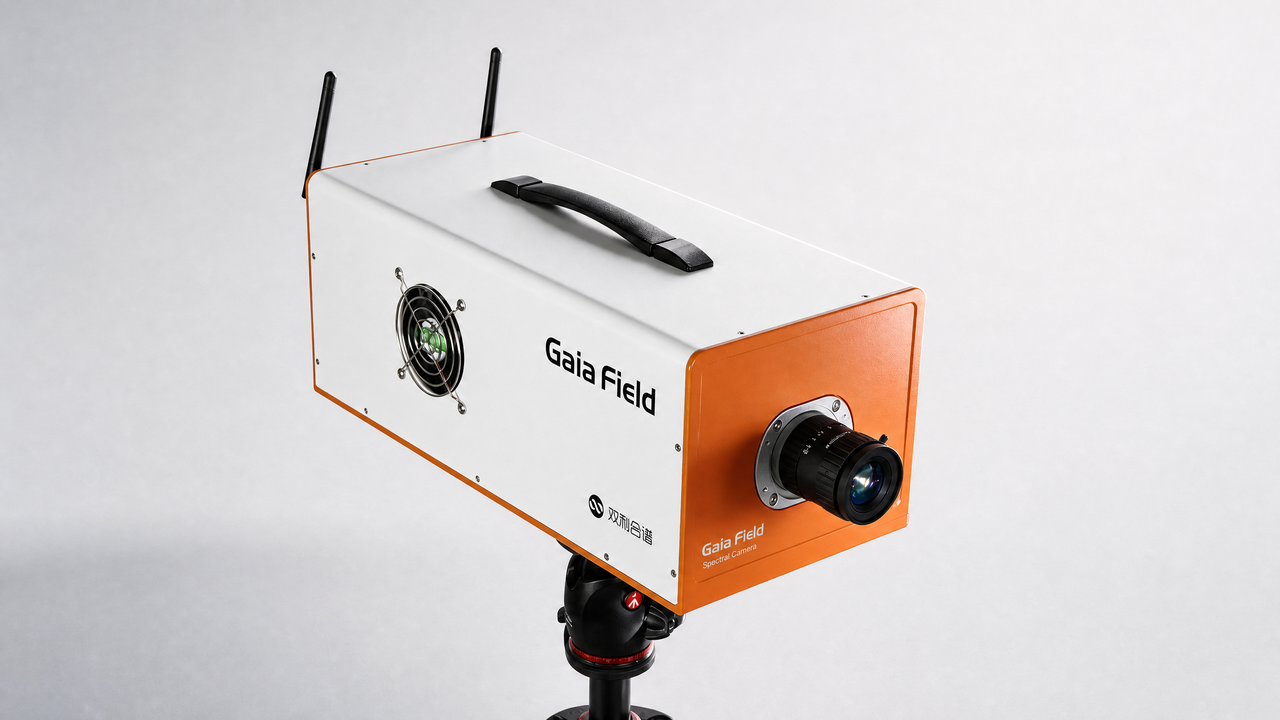
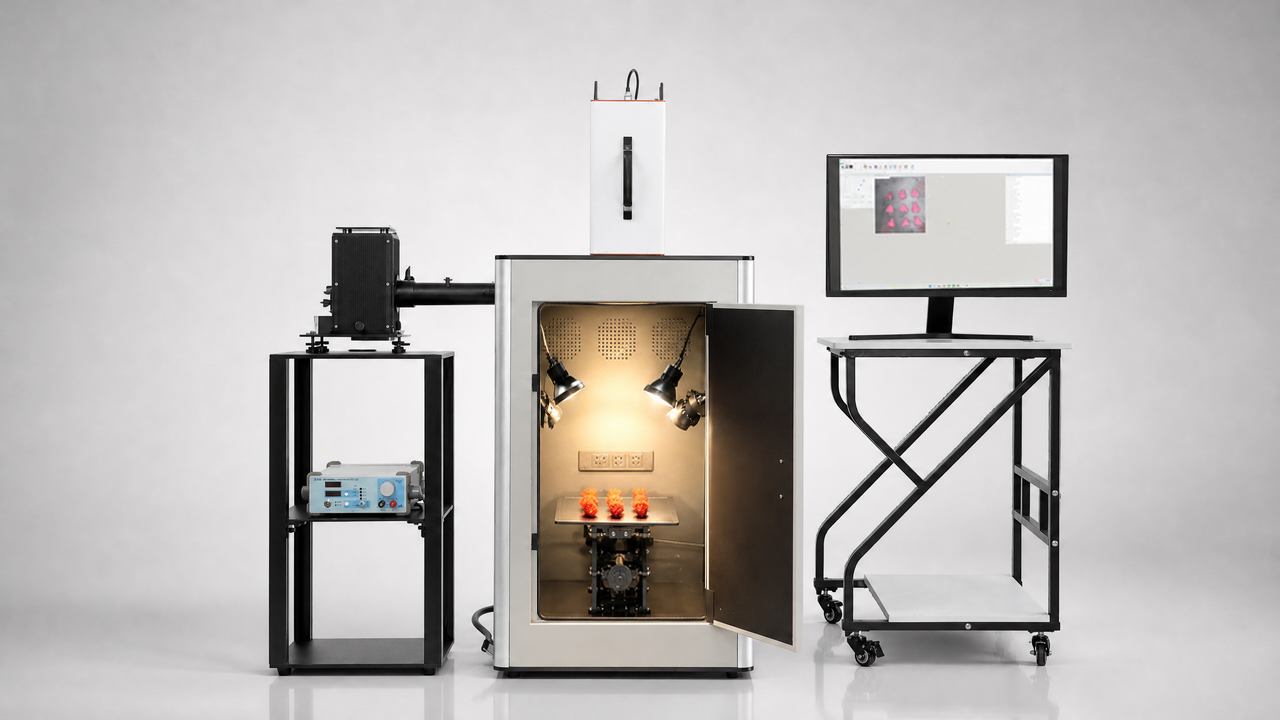
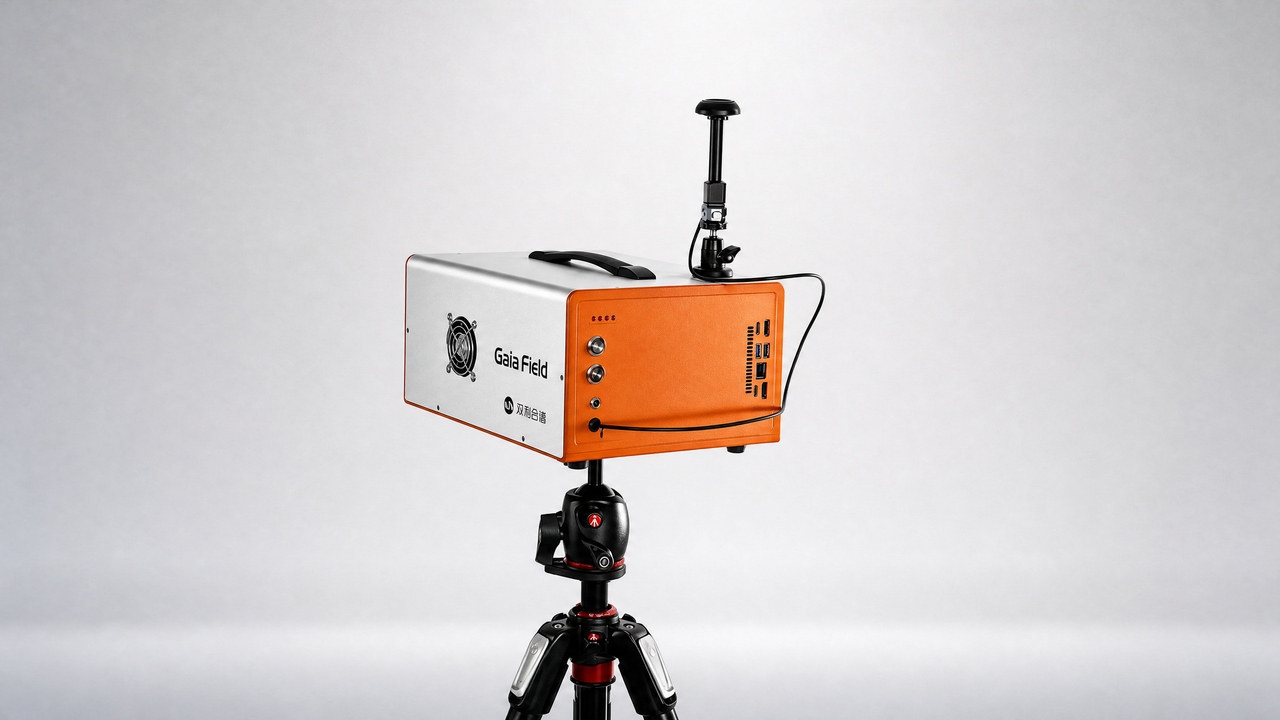
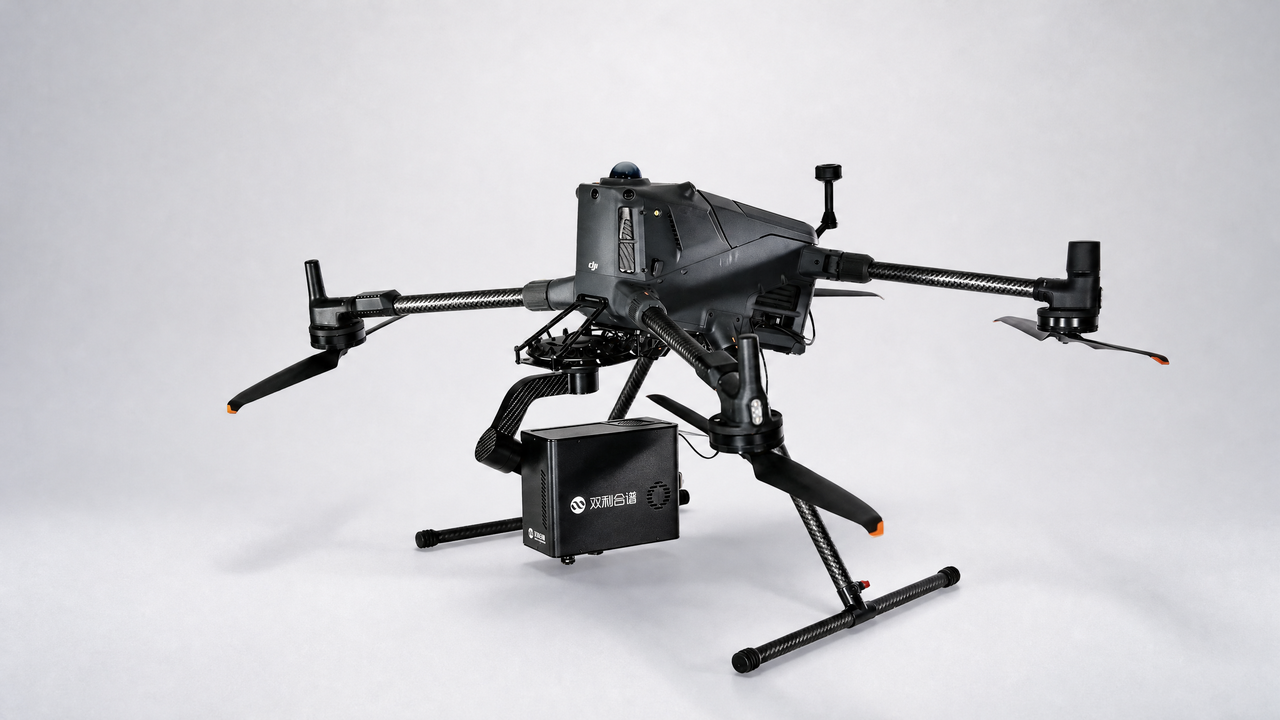
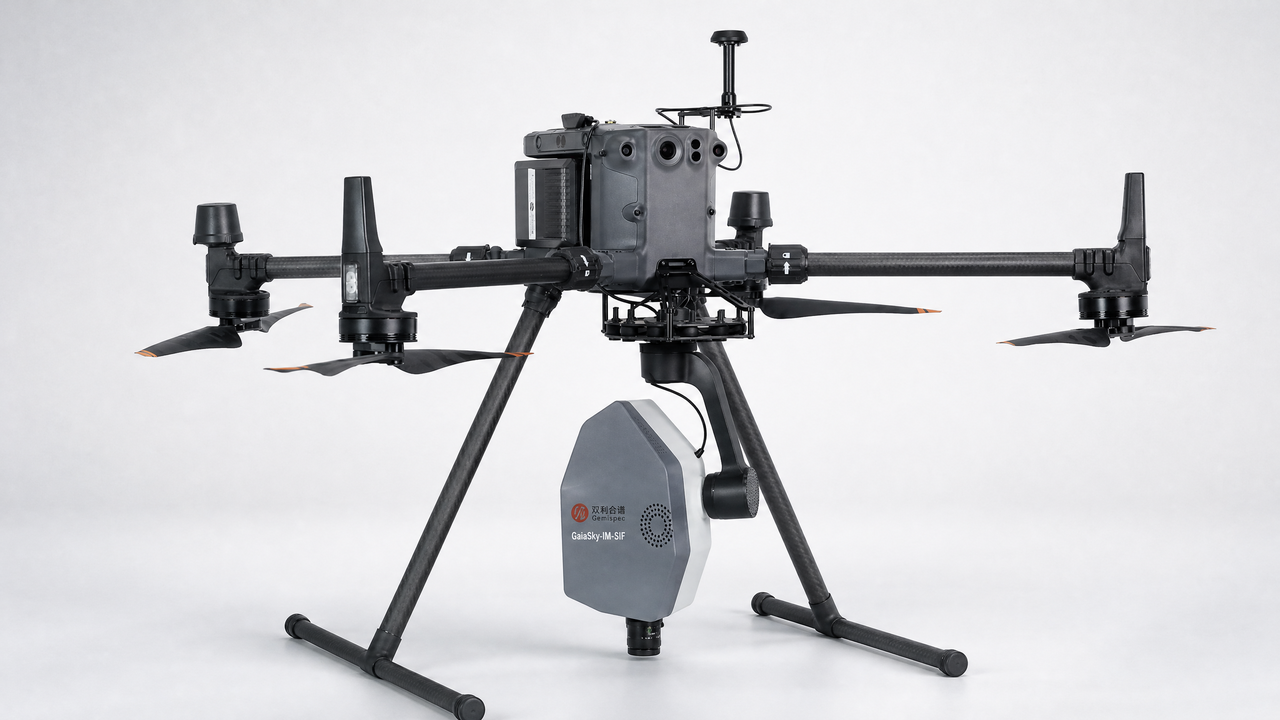
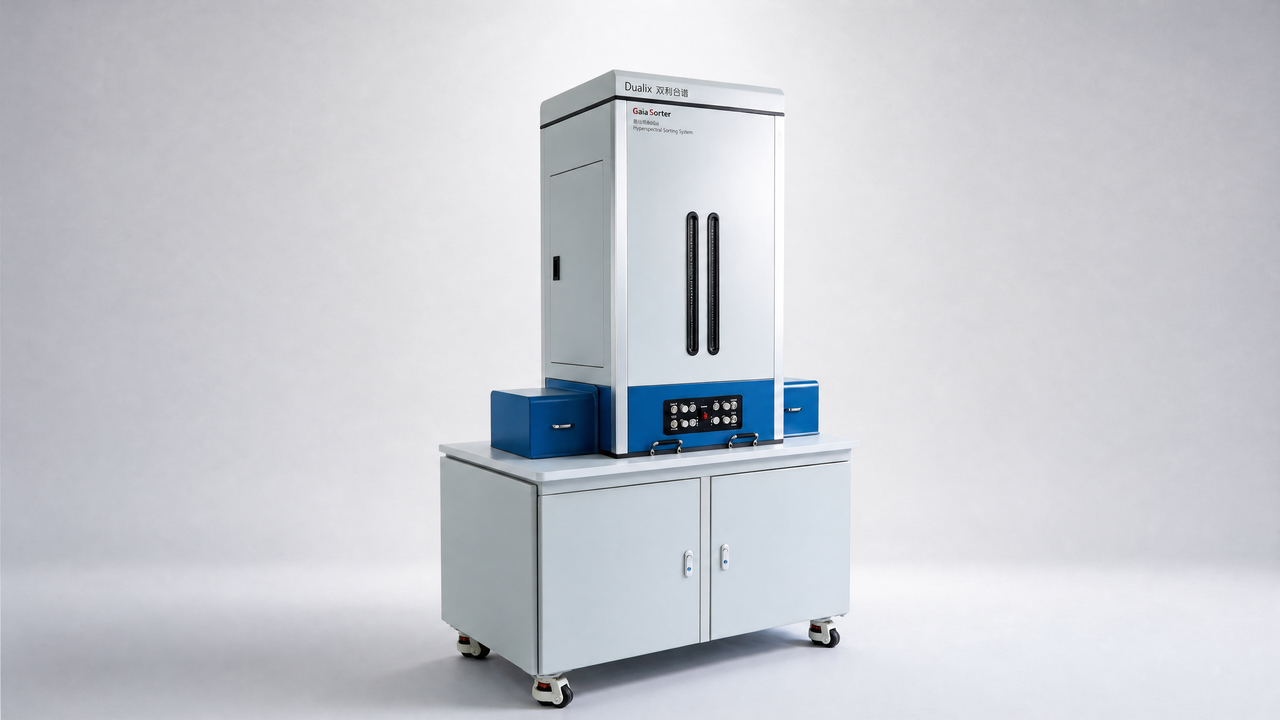
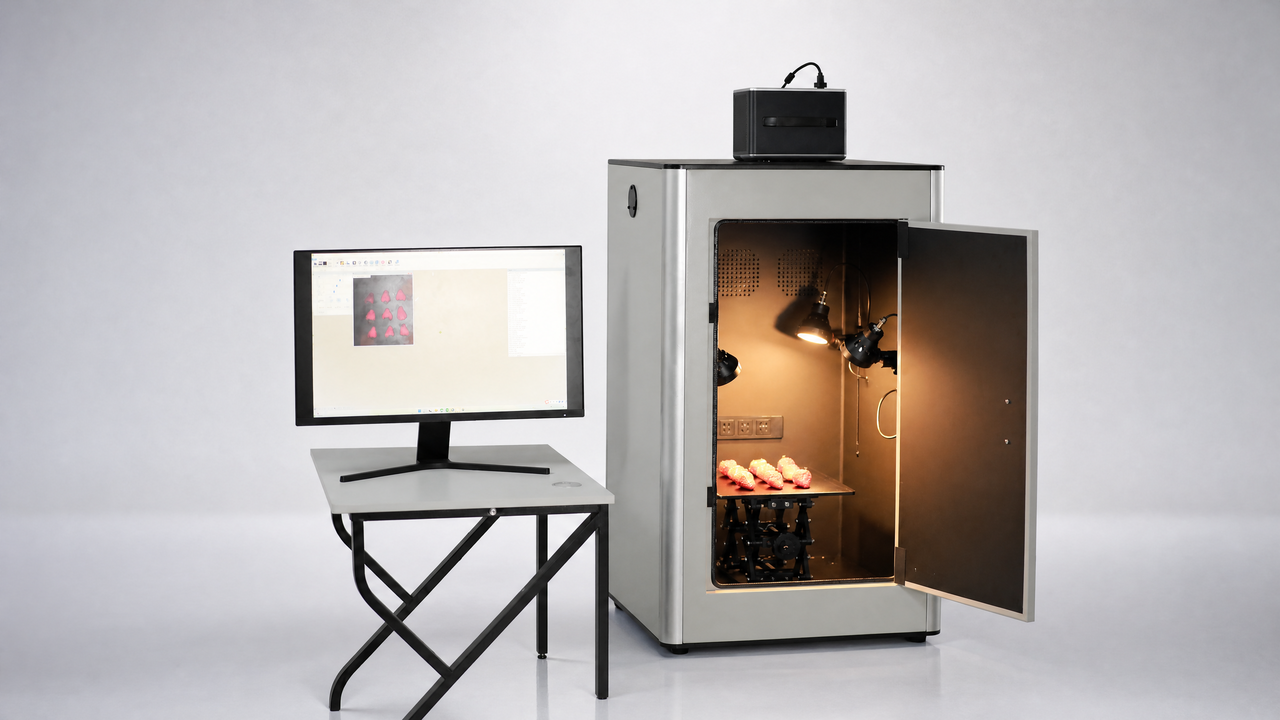
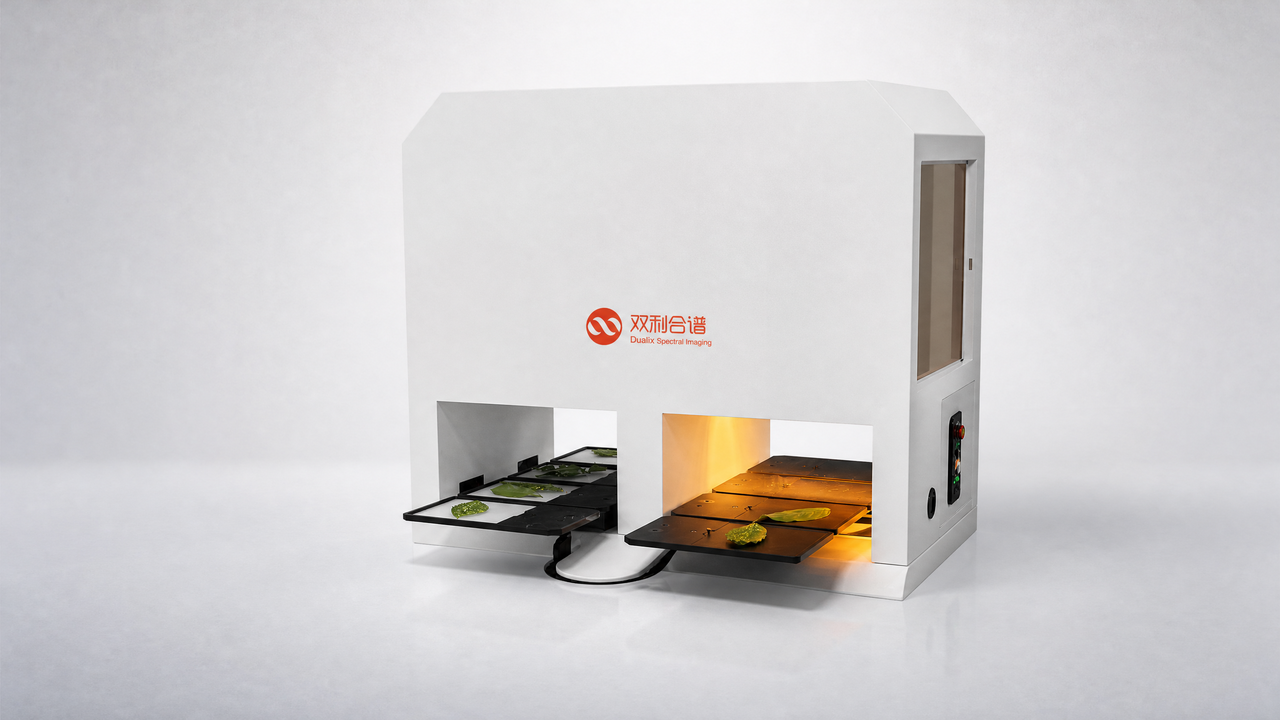
设备:GaiaField
Study on the Optimization of Hyperspectral Characteristic Bands Combined with Monitoring and Visualization of Pepper Leaf SPAD Value
Abstract:Chlorophyll content is an important indicator of plant photosynthesis, which directly affects the growth and yield of crops. Using hyperspectral imaging technology to quickly and non-destructively estimate the soil plant analysis development (SPAD) value of pepper leaf and its distribution inversion is of great significance for agricultural monitoring and precise fertilization during pepper growth. In this study, 150 samples of pepper leaves with different leaf positions were selected, and the hyperspectral image data and SPADvaluewerecollectedforthesampledleaves. The correlation coefficient, stability competitive adaptive reweighted sampling (sCARS), and iteratively retaining informative variables (IRIV) methods were used to screen characteristic bands. These werecombined with partial least-squares regression (PLSR), extreme gradient boosting (XGBoost), random forest regression (RFR), and gradient boosting decision tree (GBDT) to build regression models. The developed model was then used to build the inversion map of pepper leaf chlorophyll distribution. The research results show that: (1) The IRIV-XGBoost model demonstrates the most comprehensive performance in the modeling and inversion stages, and its R2 cv, RMSEcv, and MAEcv are 0.81, 2.76, and 2.30, respectively; (2) The IRIV-XGBoost model was used to calculate the SPAD value of each pixel of pepper leaves, and to subsequently invert the chlorophyll distribution map of pepper leaves at different leaf positions, which can provide support for the intuitive monitoring of crop growth and lay the foundation for the development of hyperspectral field dynamic monitoring sensors.
Keywords:pepper leaf; SPAD value; hyperspectral inversion; characteristic waveband selection