
















返回列表
利用近端成像光谱法在器官尺度上量化水稻小穗腐烂病严重程度
农业监测
2026/09/21
摘要:小穗病害对作物生产构成严重威胁,作物保护需要及时评估病害严重程度 (DS)。然而,大多数研究只调查了作物 生长短时期内的小穗病害。很少有研究检查不同生长阶段 DS 监测精度的一致性。本研究旨在研究不同生长阶段光谱响 应的差异,并制定一个光谱指数 (SI),即水稻小穗腐烂指数 (RSRI),用于多阶段监测水稻小穗腐烂病害。在抽穗、开花 和灌浆阶段,收集了不同 DS 水平的小穗的近端高光谱图像。反射率与从并发高分辨率 RGB 图像中提取的 DS 有关。 与现有的 SI 相比,对提出的 RSRI 进行了 DS 估计和跨生长阶段病变映射的评估。结果表明,灌浆期绿色和近红外区 域的 DS 光谱响应比开花期弱,早期感染的 DS 量化需要蓝色波段。与其他 SI 相比,基于 RSRI 的模型对抽穗的验证 精度最高,在生长阶段的性能最一致(抽穗期:R2 = 0.65;开花期:R2 = 0.84;灌浆期:R2 = 0.78)。此外,基于 RSRI 的 DS 图对轻度、中度和重度感染的小穗表现出最佳的病变识别能力。这项研究表明,无论小穗成熟效应如何,RSRI 都 可以作为一种新的 DS 估计指标在育种和作物保护中大有可为
关键词:高光谱成像·水稻小穗腐烂病·光谱指数·疾病严重程度·早期感染·成熟
期刊:Precision Agriculture
DOI:https://DOI.org/10.1007/s11119-022-09987-z
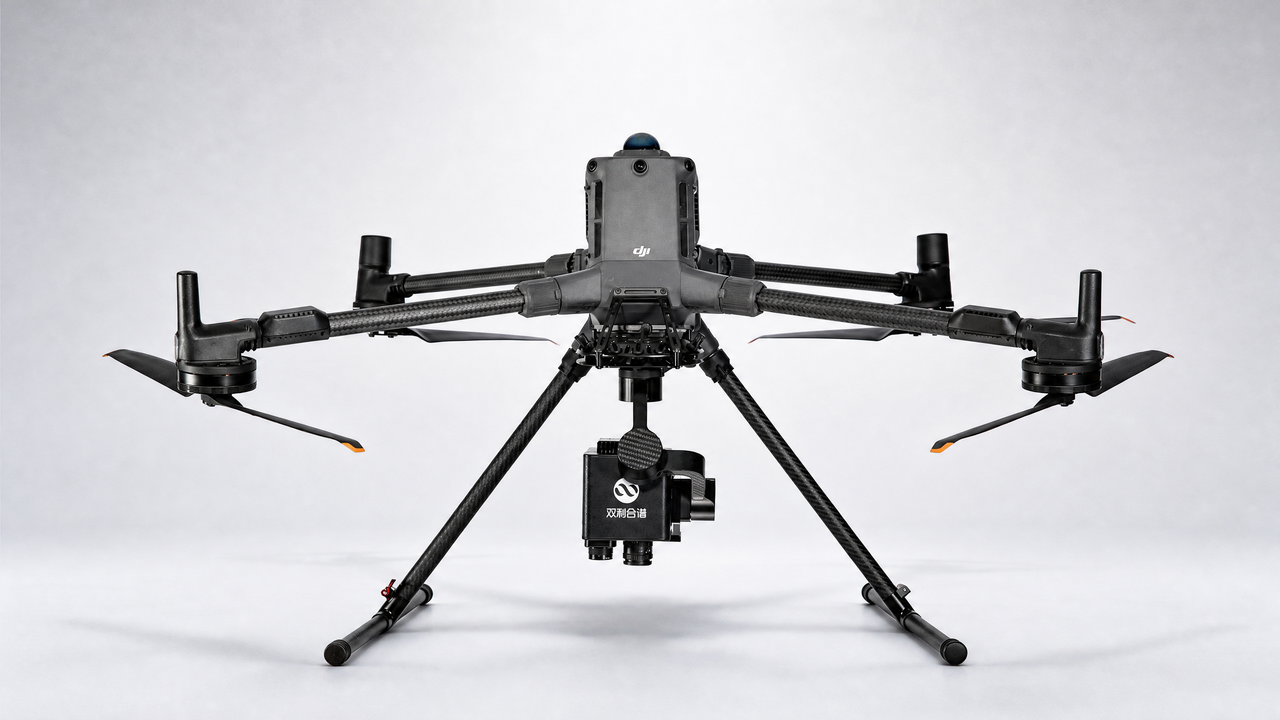
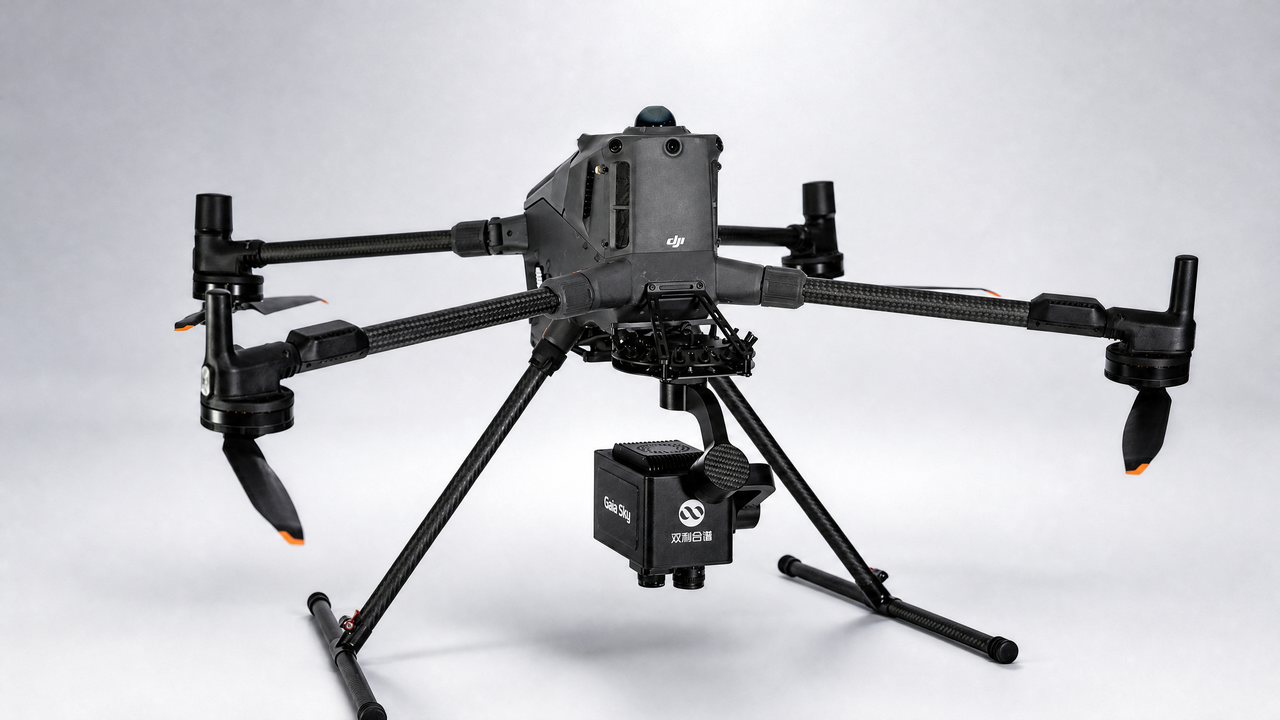
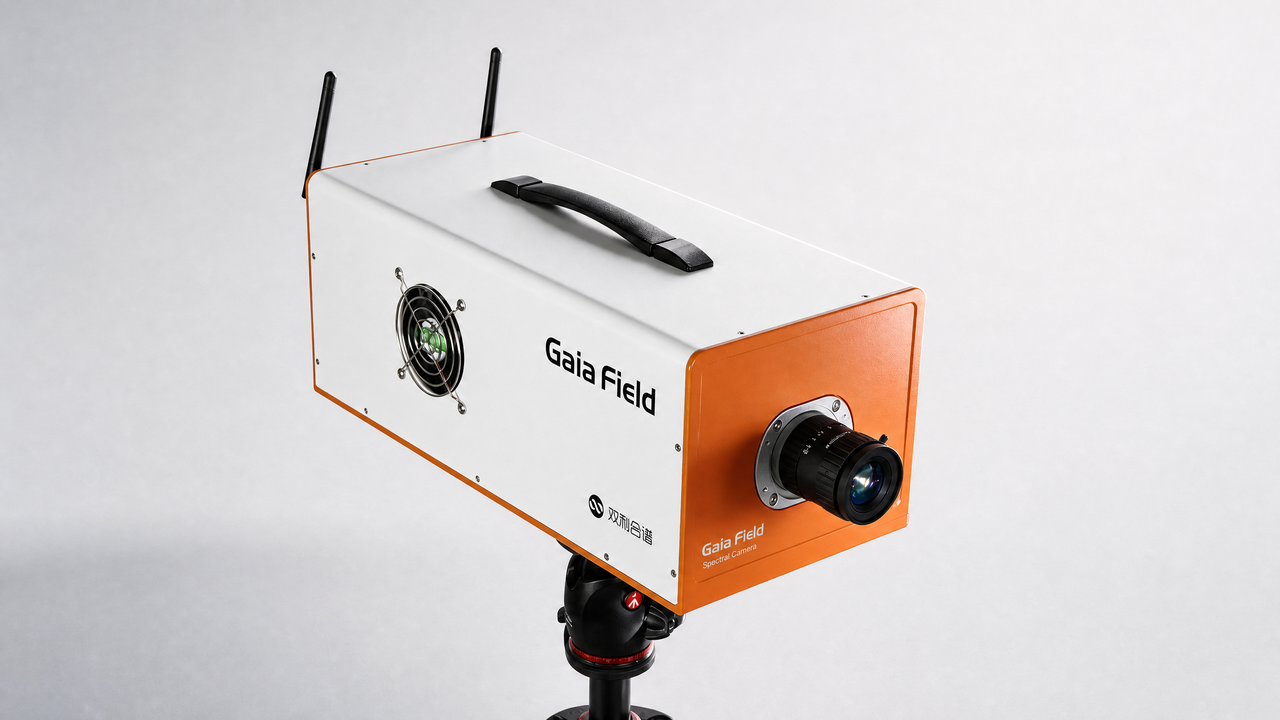
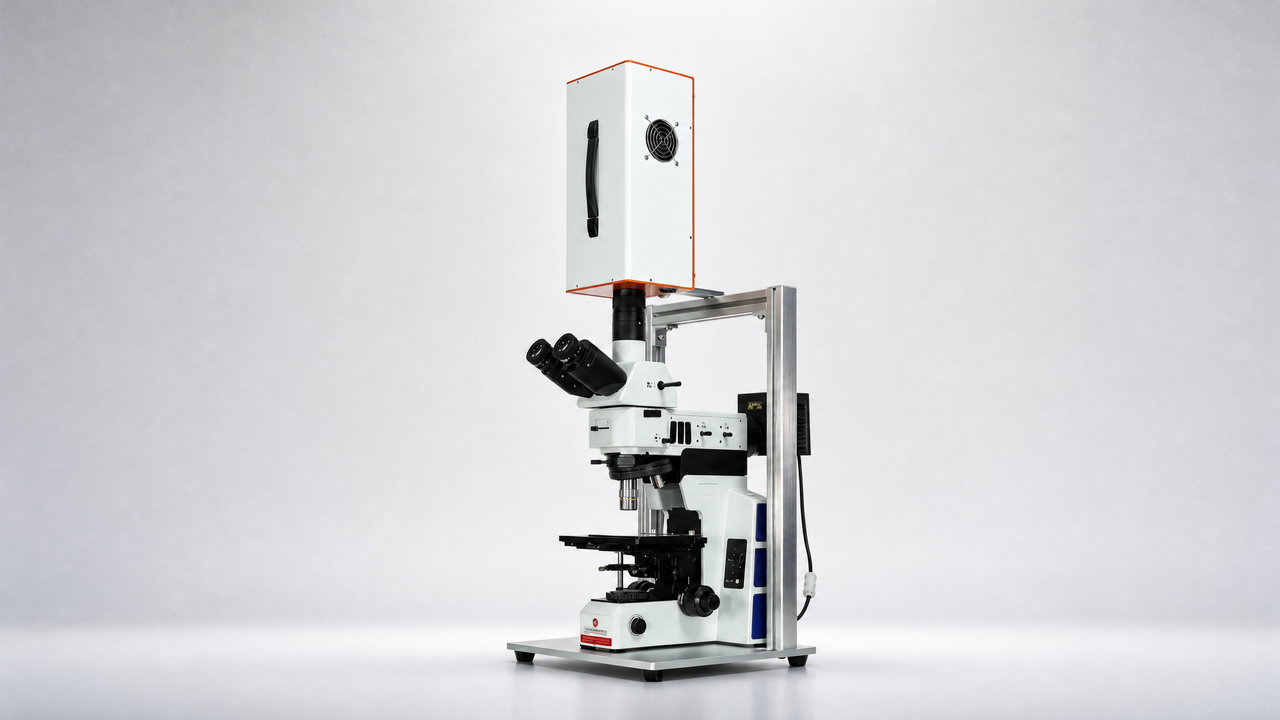
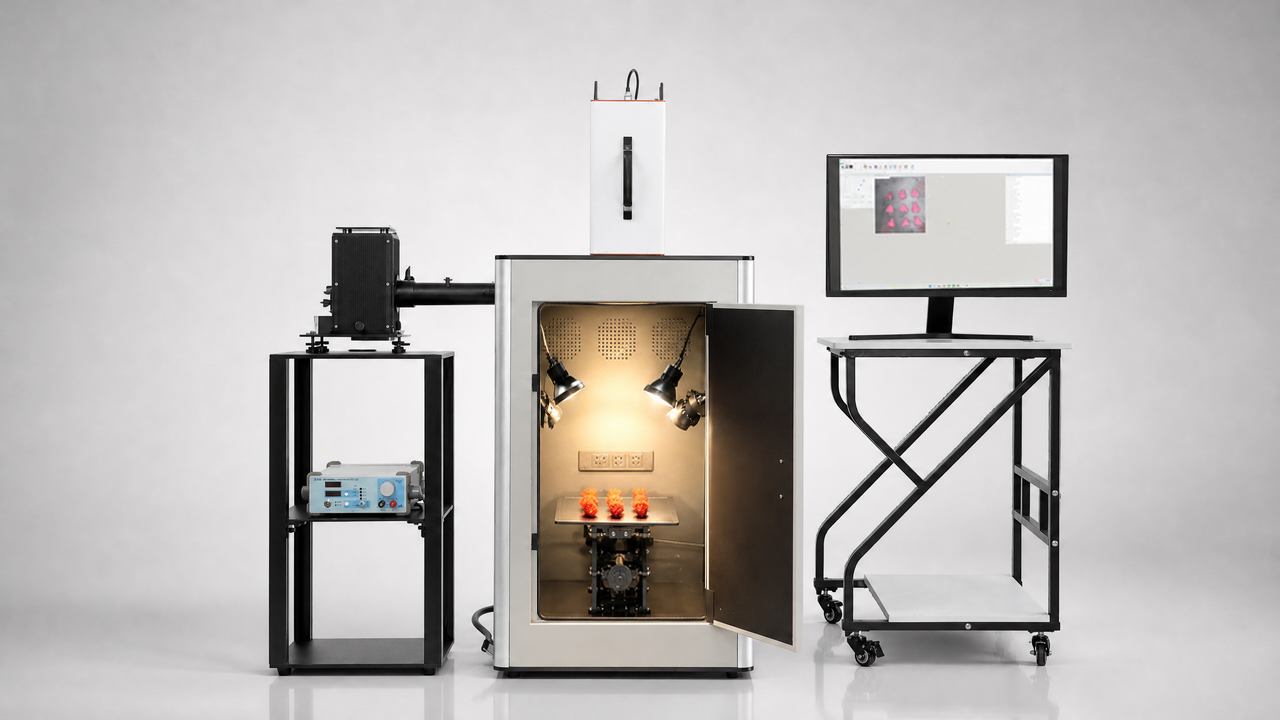
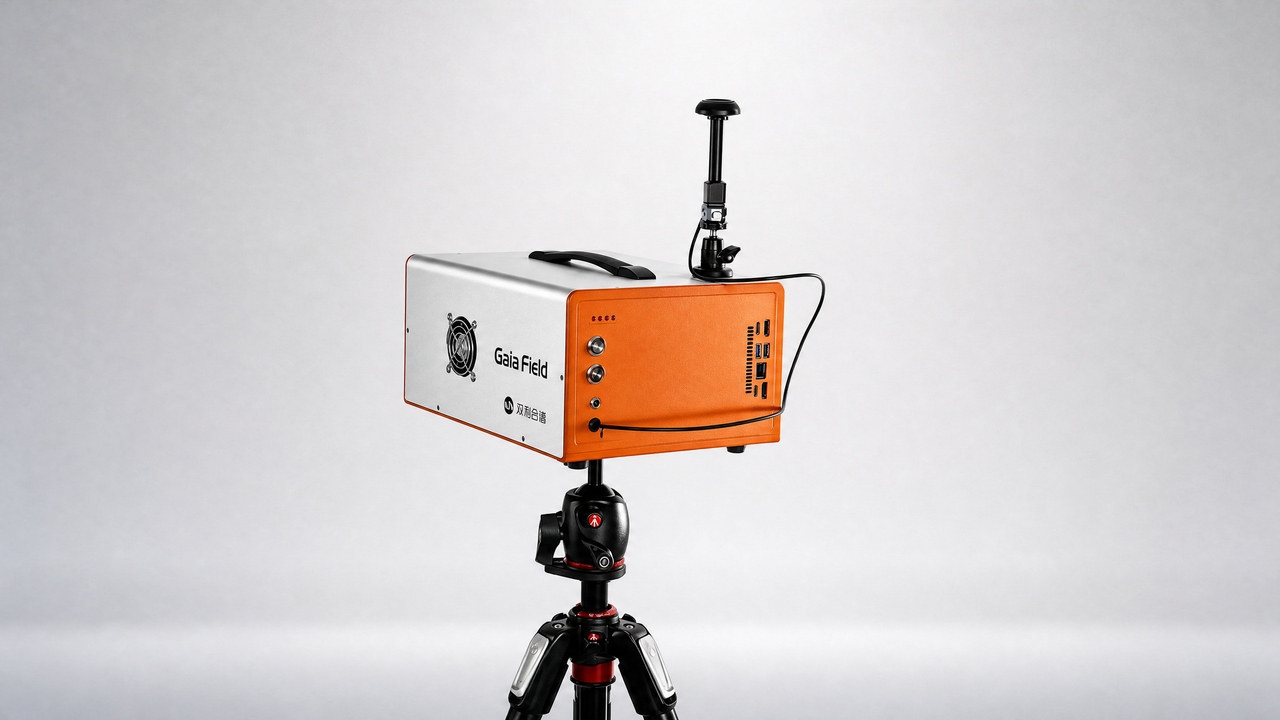
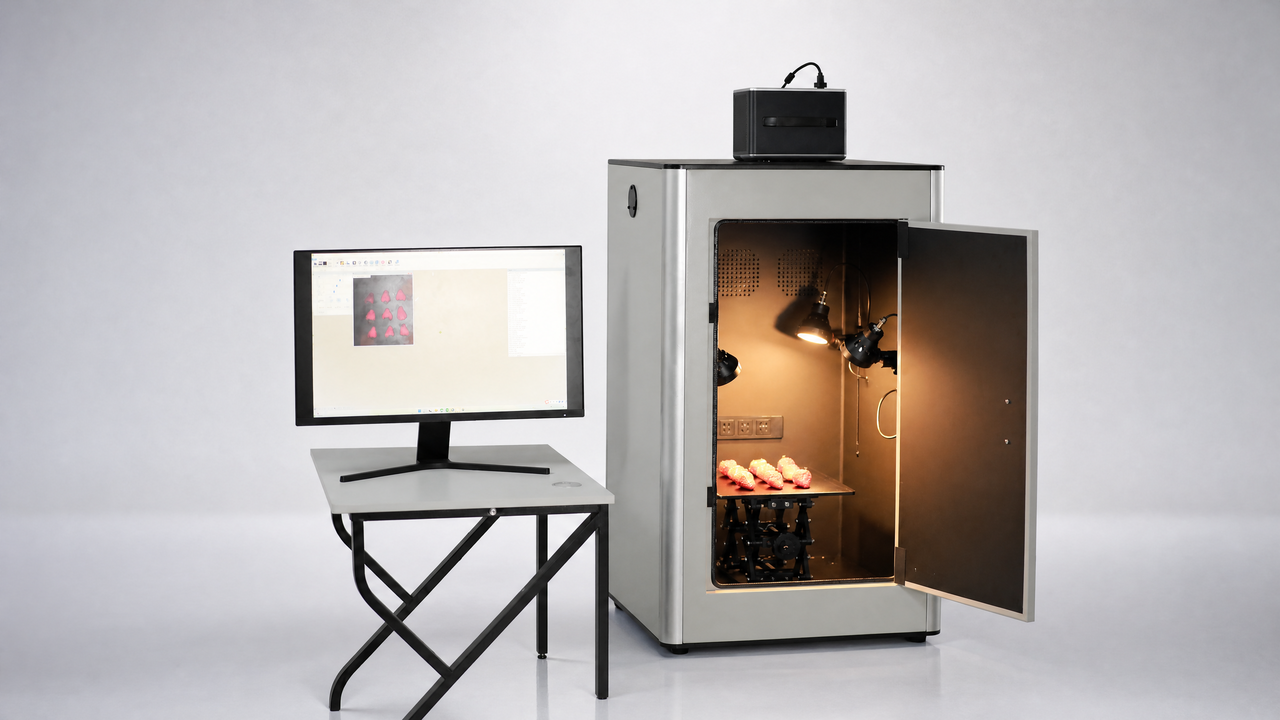
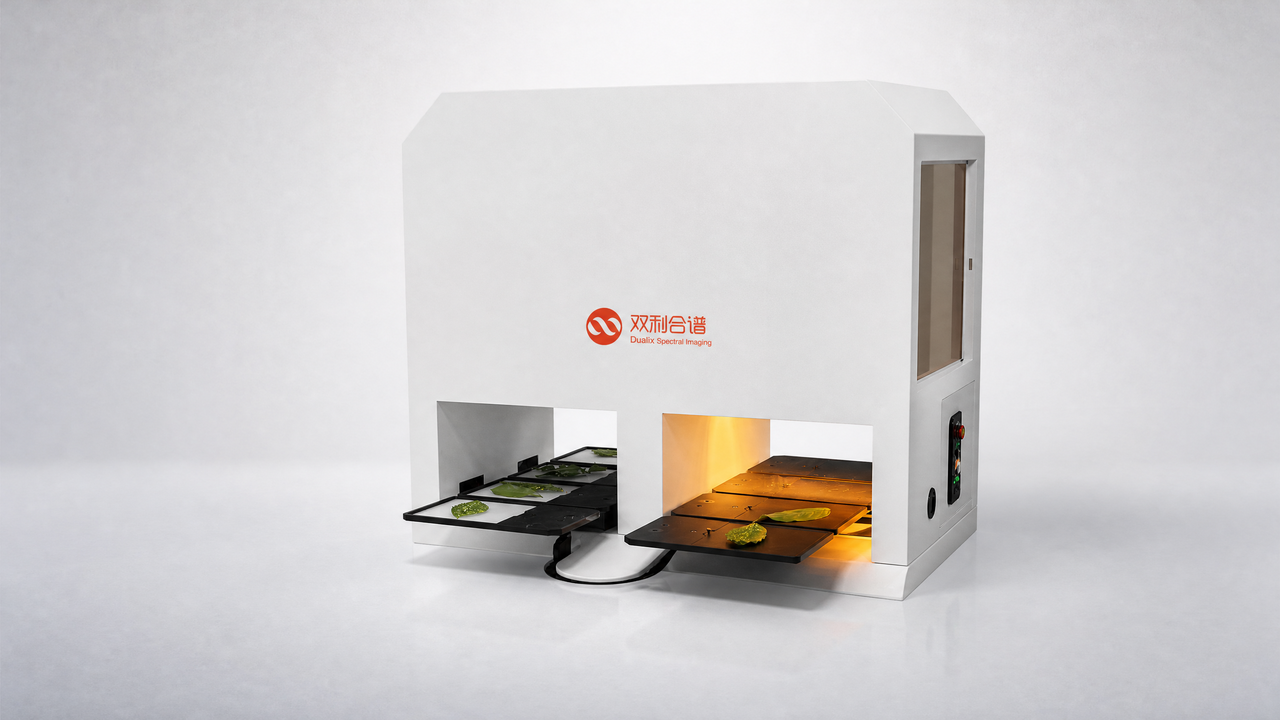
设备:GaiaField
Quantification of rice spikelet rot disease severity at organ scale with proximal imaging spectroscopy
Abstract:Spikelet diseases pose severe threats to crop production and crop protection requires timely evaluation of disease severity (DS). However, most studies have only investigated the spikelet diseases within a short period of crop growth. Few have examined the con sistency in DS monitoring accuracy across growth stages. This study aimed to investigate the differences in spectral responses among growth stages and to develop a spectral index (SI), rice spikelet rot index (RSRI), for multi-stage monitoring of the rice spikelet rot dis ease. Proximal hyperspectral images were collected over spikelets with various levels of DS at heading, anthesis, and grain filling stages. The reflectance was related to the DS extracted from concurrent high-resolution RGB images. The proposed RSRI was evaluated for the DS estimation and lesion mapping across growth stages in comparison with existing SIs. The results demonstrated that the spectral responses to DS in the green and near-infra red regions for filling were weaker than those for anthesis, and blue bands were necessary in DS quantification for early infection. The RSRI-based models exhibited the best valida tion accuracy for heading and the most consistent performance across growth stages as comparison to other SIs (Heading: R2 = 0.65; anthesis: R2 = 0.84; filling: R2 = 0.78). More over, RSRI-based DS maps exhibited the best lesion identification for slightly, mildly, and severely infected spikelets. This study suggests that RSRI could be promising in breeding and crop protection as a novel index for DS estimation regardless of the spikelet ripening effect
Keywords:Hyperspectral imaging · Rice spikelet rot disease Spectral index · Disease severity Early infection Ripening