












返回列表
Vis-NIR 和 SWIR 高光谱成像在无损检测镰刀菌赤霉病小麦粒和小麦粉中 DON 含
农业监测
2026/09/21
摘要:镰刀菌赤霉病是一种严重的小麦病害,影响产量和食品安全。化学和生物方法是检测脱氧雪腐镰刀菌烯醇 (DON) 含量的主要技术,具有很高的准确性,但具有破坏性且耗时。在收获后的小麦加工中,需要一种无损、高效且准确的方 法来估算赤霉病中的 DON 含量。高光谱成像 (HSI) 系统能够检测表面下的缺陷以及有机物质的含量或特性。由于这种 方法无损、快速且可以完全自动化,本研究使用 HSI 技术来检测小麦粒的质量。霉菌毒素可以破坏谷物中的组织、细胞 甚至分子。此外,感染 DON 毒素的小麦中蛋白质、碳水化合物和脂质等有机物质的含量或性质会发生变化,这可以反 映在其光谱特征中。本研究使用两种 HSI 系统,即可见近红外 (Vis-NIR)和短波红外 (SWIR),研究了小麦粒和小麦粉的 数据。将 96 个小麦粒和小麦粉样品分成两组,并使用乘性散射校正 (MSC) 和标准正态变量 (SNV)进行预处理。使用 支持向量机 (SVM) 和稀疏自动编码器 (SAE) 网络,通过遗传算法 (GA) 构建具有提取重要波长的分类器。结果表明, 可以在Vis-NIR波段检测小麦粒样品,从SWIR数据中检测小麦粉样品。此外,对于小麦粒样品,SAE和SVM模型的结 果大致相同。对于使用Vis-NIR的所有类型的小麦粒样品分类模型,MSC-GA-SAE模型的预测准确率最高。对于小麦粉 样品,SNV-GA-SAE 模型在 SWIR 数据上取得了更好的结果,在正确分类样品方面取得了更好的结果,这表明可以从 SWIR数据中高精度地检测小麦粉样品。
关键词:镰刀菌 穗枯病 高光谱成像 可见近红外 短波红外 SAE网络
期刊:Infrared Physics & Technology
DOI:https://DOI.org/10.1016/j.infrared.2020.103281
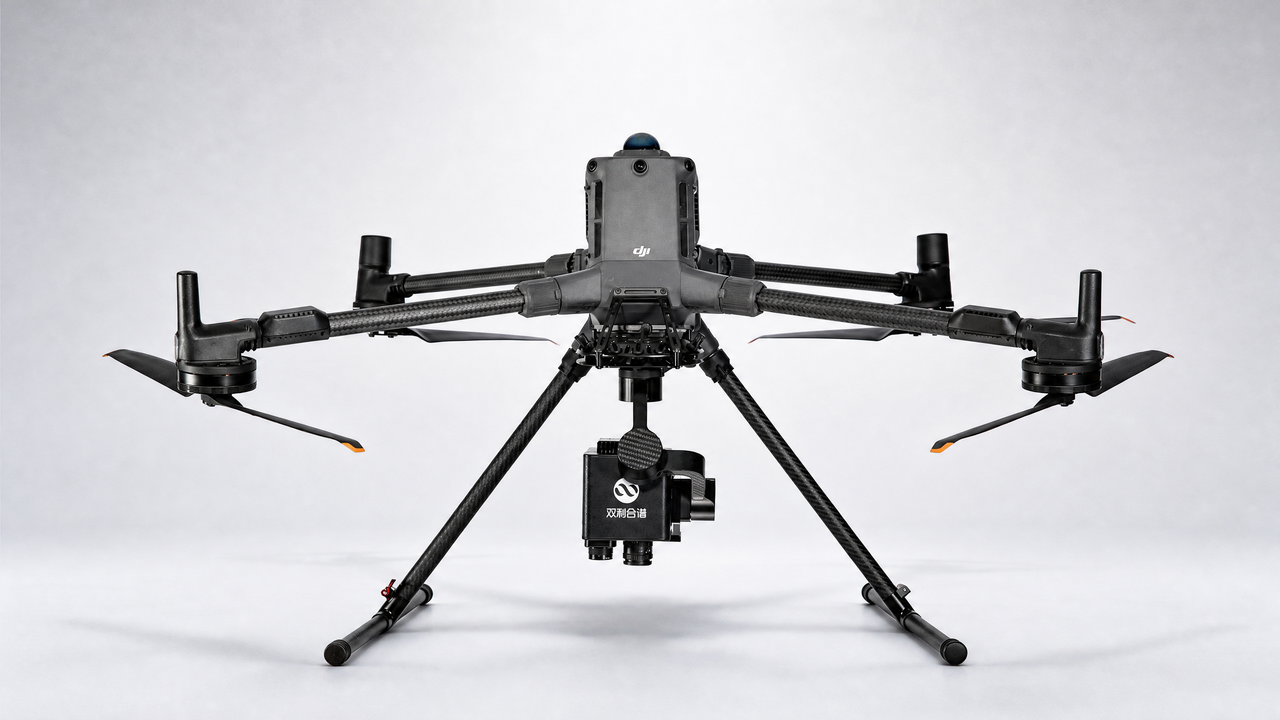
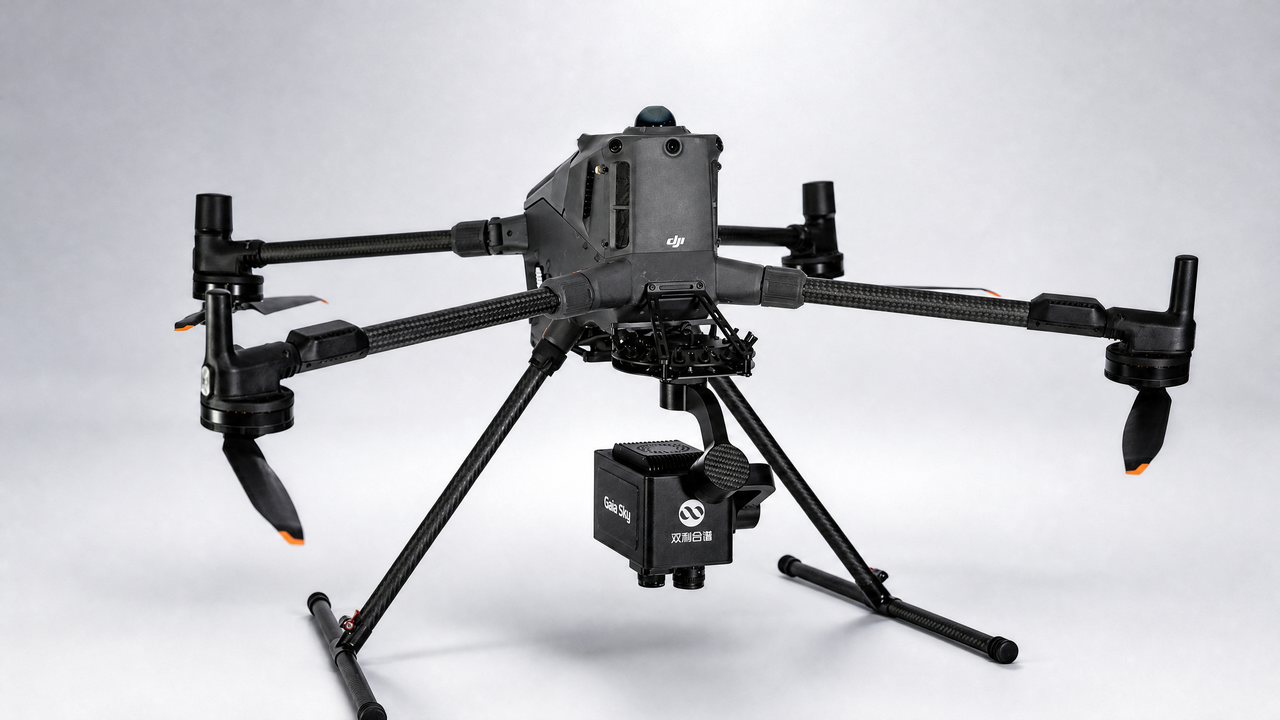
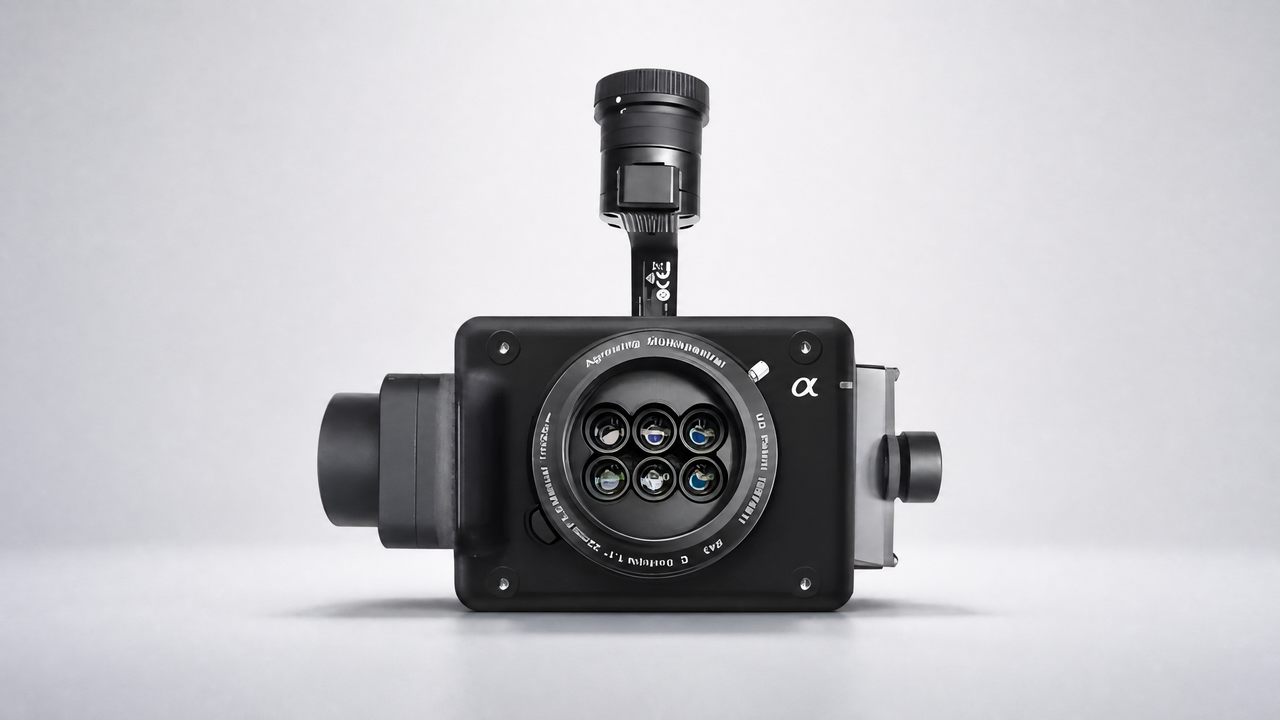
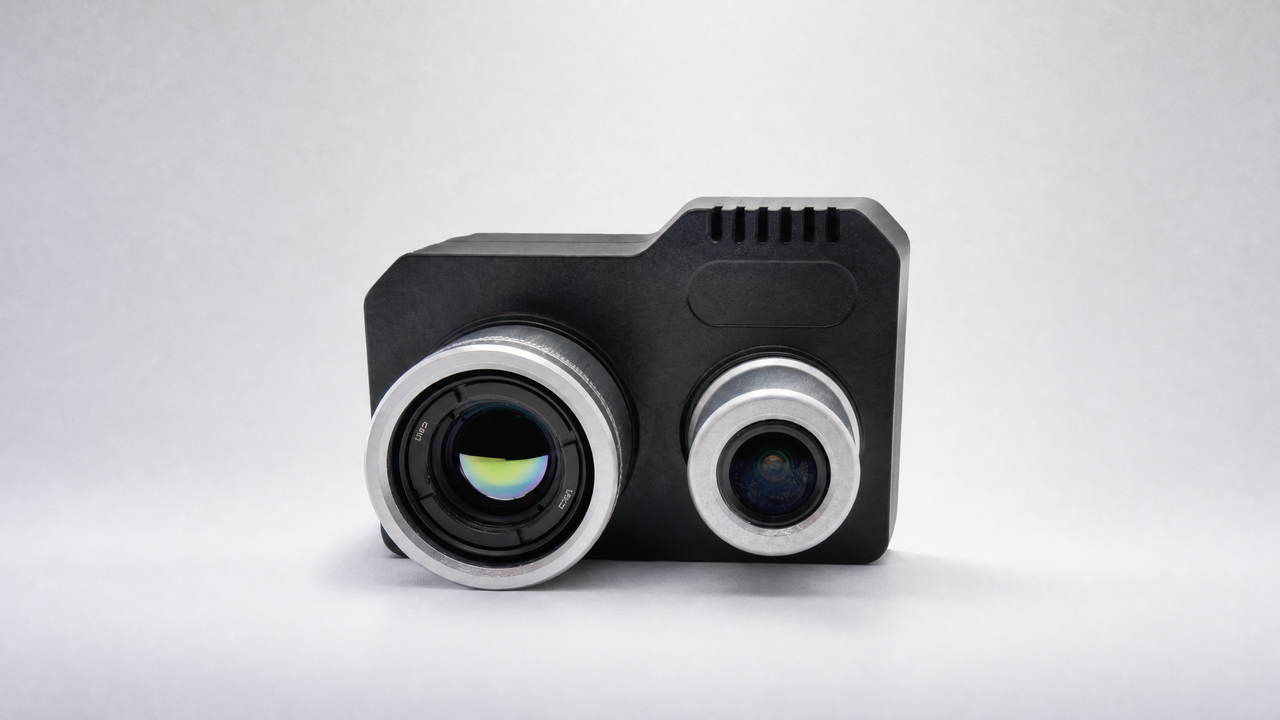
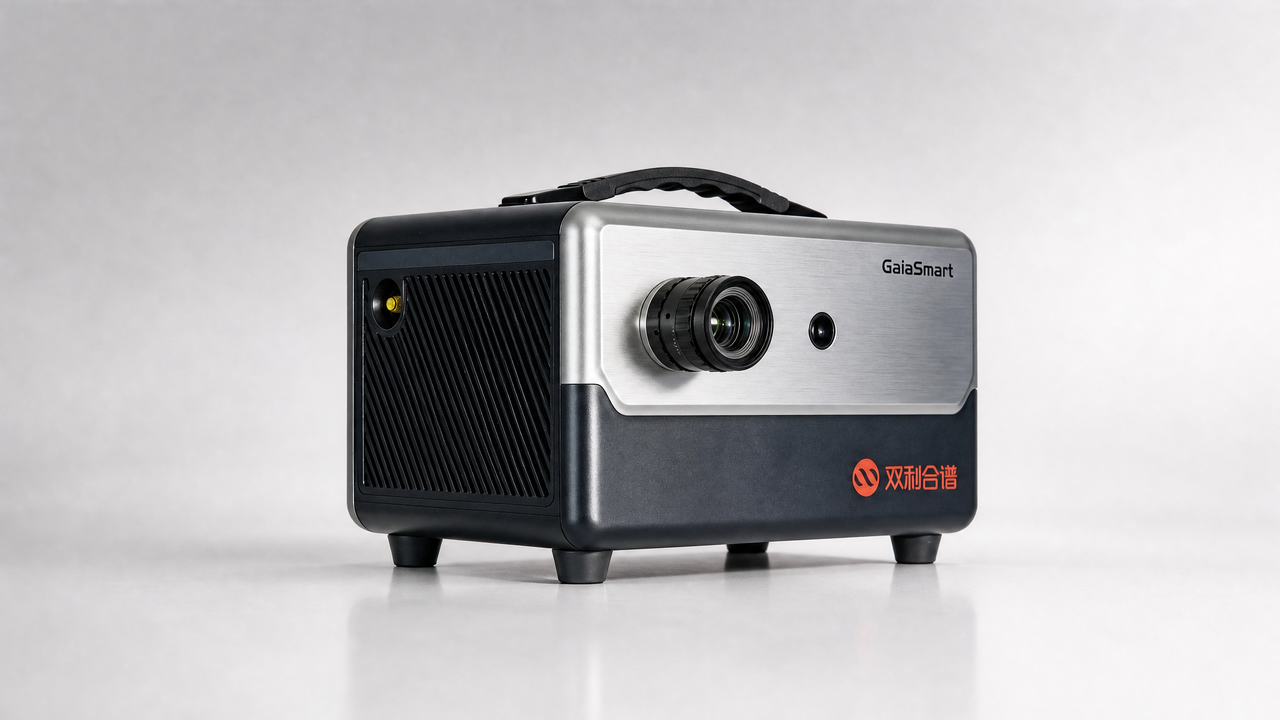
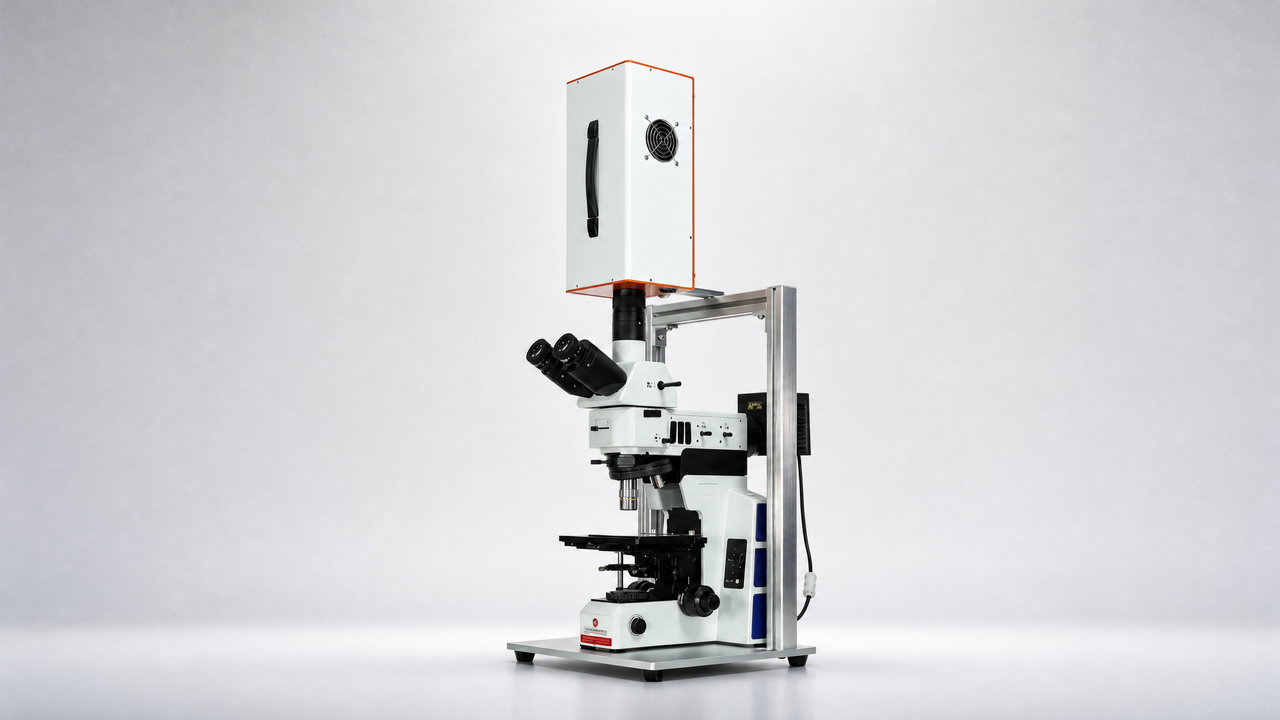
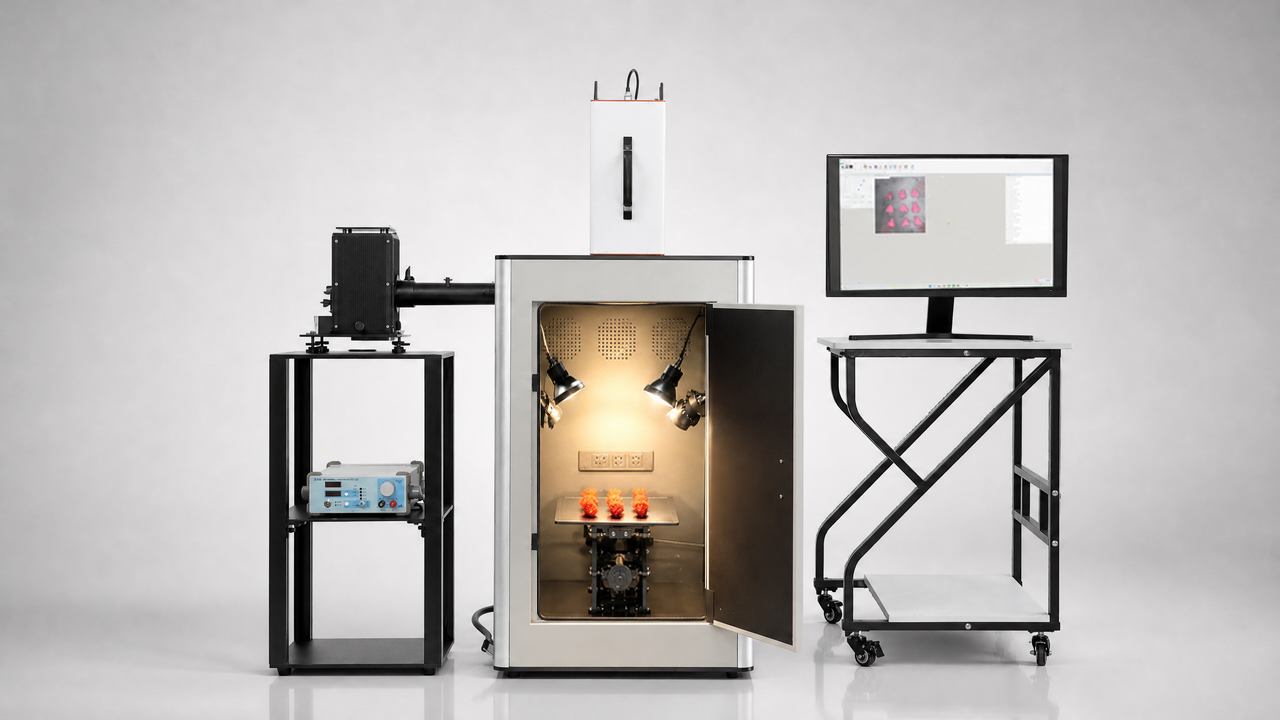
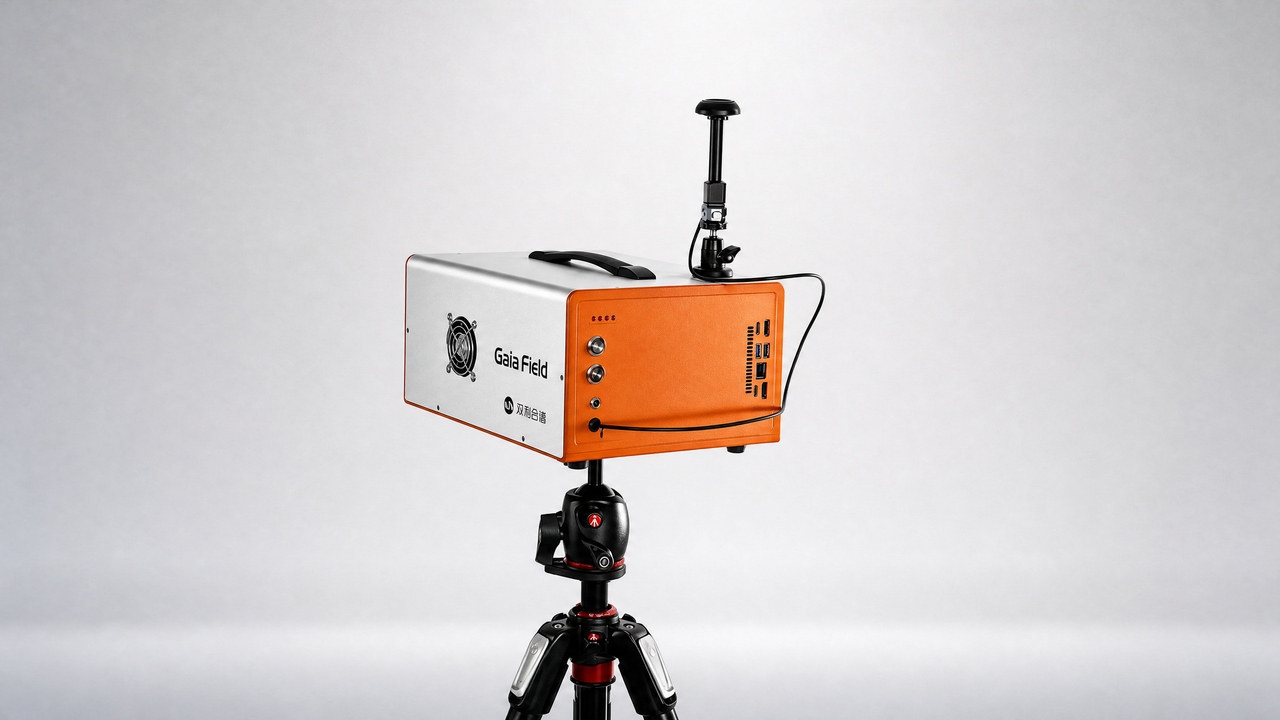
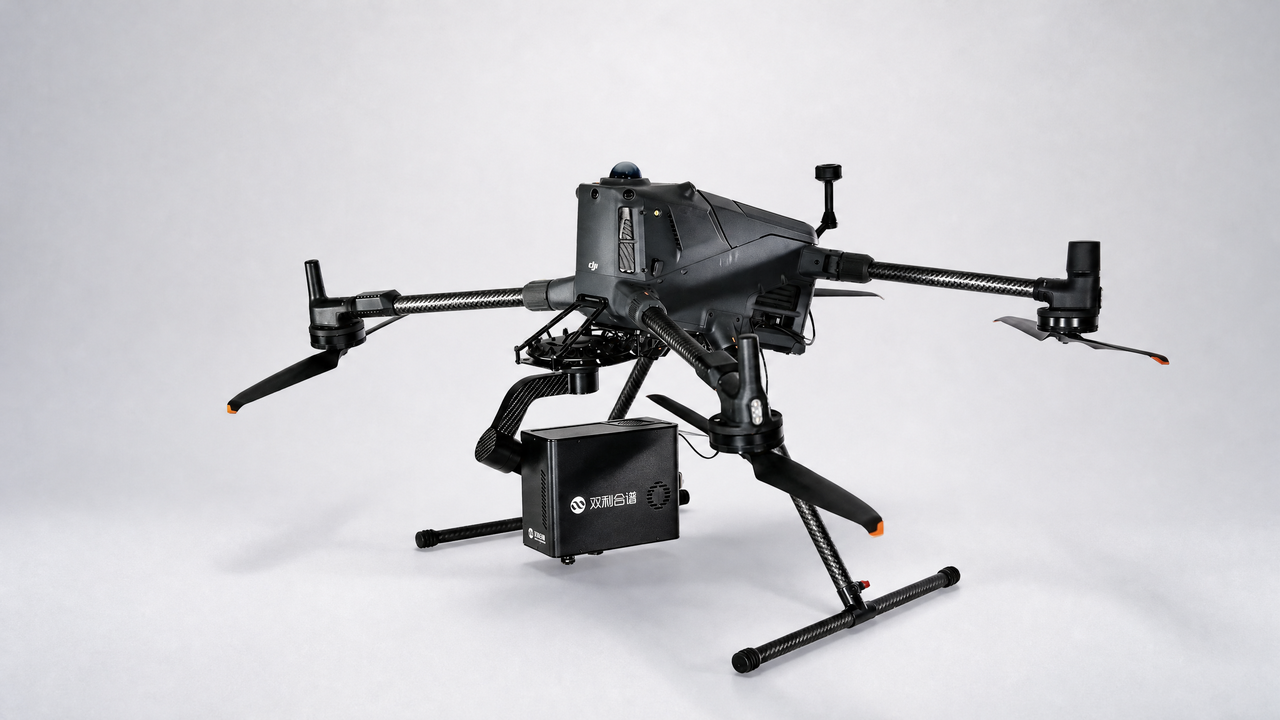
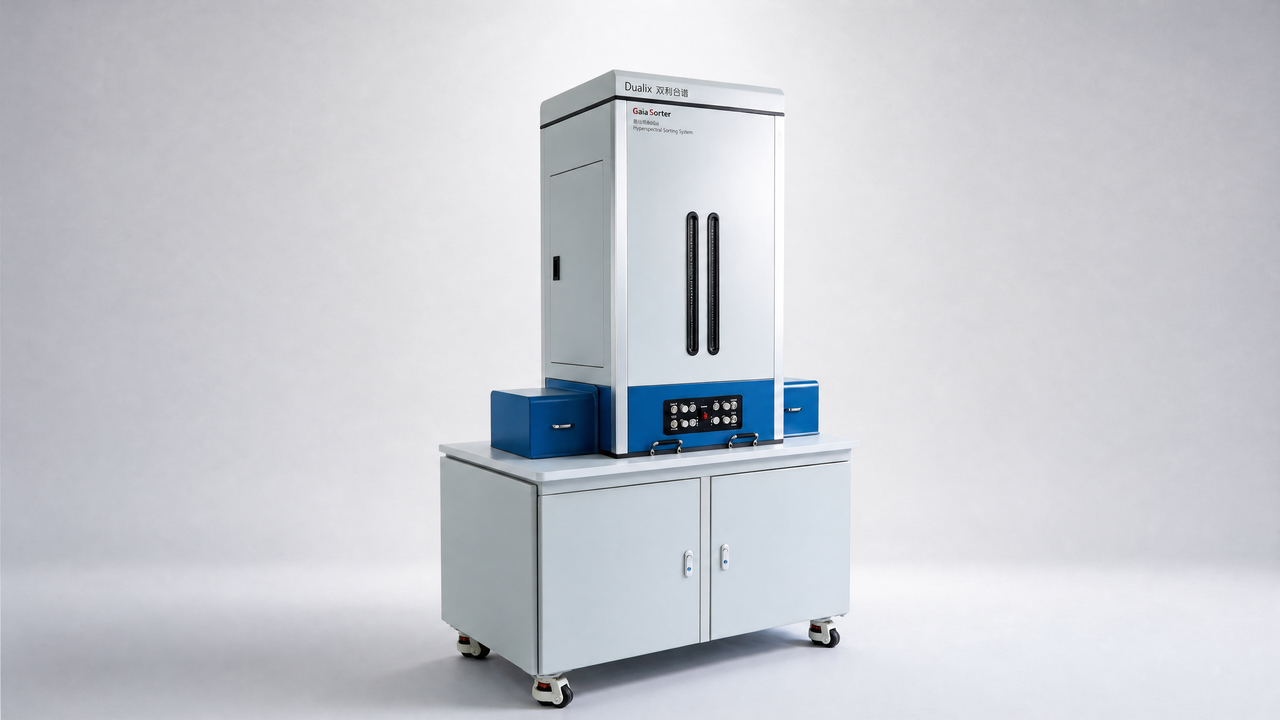
设备:GaiaSorter
Comparison of Vis-NIR and SWIR hyperspectral imaging for the non destructive
Abstract:detection of DON levels in Fusarium head blight wheat kernels and wheat flour Fusarium head blight is a severe wheat disease that affects yield and food safety. Chemical and biological methods are the main techniques for detection of the deoxynivalenol (DON) content, but despite being highly accurate, these techniques are destructive and time-consuming. A nondestructive, efficient and accurate method for estimating the DON content levels of scabs is required in post-harvest wheat processing. Hyperspectral imaging (HSI) systems have the capability of detecting subsurface defects and the contents or properties of organic substances. Because this method is nondestructive and fast and can be fully automated, the HSI tech nique was used in this study for detection of the wheat grain quality. Mycotoxins can destroy tissues, cells, and even molecules in cereals. Furthermore, the contents or properties of organic substances such as proteins, car bohydrates, and lipids in wheat infected by DON toxin undergo changes that can be reflected in their spectral characteristics. In this study, data for both wheat kernels and wheat flour obtained using two types of HSI systems, i.e., visible near-infrared (Vis-NIR) (ranging from 400 to 1000 nm) and short-wave infrared (SWIR) (ranging from 1000 to 2500 nm), were investigated. Ninety-six samples of wheat kernels and wheat flour samples were divided into two groups, and the multiplicative scatter correction (MSC) and standard normal variate (SNV) were used for spectral data pre-processing. A support vector machine (SVM) and a sparse auto encoder (SAE) network were used to the build classifiers with the extracted important wavelengths by genetic algorithm (GA). The results suggest that it is possible to detect wheat kernel samples in the Vis-NIR bands and to detect wheat flour samples from SWIR data with high accuracy. Moreover, for wheat kernel samples, the results of the SAE and SVM models were roughly the same. For all types of classification models for wheat kernel samples using the Vis-NIR, the MSC-GA-SAE model achieved the highest prediction accuracy (100% for both the training and test sets). In contrast to the wheat kernels samples, for the wheat flour samples, the SNV-GA-SAE models achieved better results with the SWIR data in terms of correctly classifying the samples (100% for the training set and 96% for the test set), which suggested that it is possible to detect wheat flour samples from SWIR data with high accuracy.
Keywords:Fusarium head blight Hyperspectral imaging Visible near-infrared Short wave infrared SAE network