










返回列表
偏最小二乘回归与高光谱数据处理相结合用于鲤鱼鳞斑率无损检测
食品检测
2026/09/21
摘要:鲤鱼鳞斑率是制约鲤鱼加工自动化、智能化水平的重要因素之一。为了解决常用的人工检测的不足,本文旨在研 究高光谱技术(( 400–1024.7 nm)在鲤鱼鳞斑率检测中的潜力。由于不同区域的光谱响应不同,将整个鱼体分为三个区域 ((腹部、背部和尾部)进行分析。光谱预处理采用了不同的预处理方法,包括 Savitzky–Golay(( SG)、一阶导数(( FD)、多 元散射校正(( MSC)和标准正态变量(( SNV)。然后,分别采用连续投影算法(( SPA)、回归系数(( RC)和二维相关光谱 ((2D-COS)选取特征波长(( CW),建立了全波长(( FW)和CW 缩放速率检测的偏最小二乘回归(( PLSR)模型。建模结 果显示,FD-RC-PLSR、SNV-SPA-PLSR、SNV-RC-PLSR为预测背部(( 校准集判定系数(( RC2)=96.23%、预测集判定系数 ((RP2)=95.55%、校准均方根误差((RMSEC)=6.20%、预测均方根误差((RMSEP)=7.54%、相对百分偏差((RPD)=3.98)、 腹部(( RC2=93.44%、RP2=90.81%、RMSEC=8.05%、RMSEP=9.13%、RPD=3.07)和尾部(( RC2=95.34%、RP2=93.71%、 RMSEC=6.66%、RMSEP=8.37%、 RPD=3.42)区域。可以看出,结合特定预处理和降维方法的 PLSR 对不同地区鲤鱼鳞 斑率检测具有很大的潜力。这些结果证实了利用高光谱技术对鲤鱼鳞斑率进行无损、便捷检测的可能性。
关键词:鲤鱼;鳞斑率;高光谱;偏最小二乘回归;预处理
期刊:Foods
DOI:https://DOI.org/10.3390/foods9040500
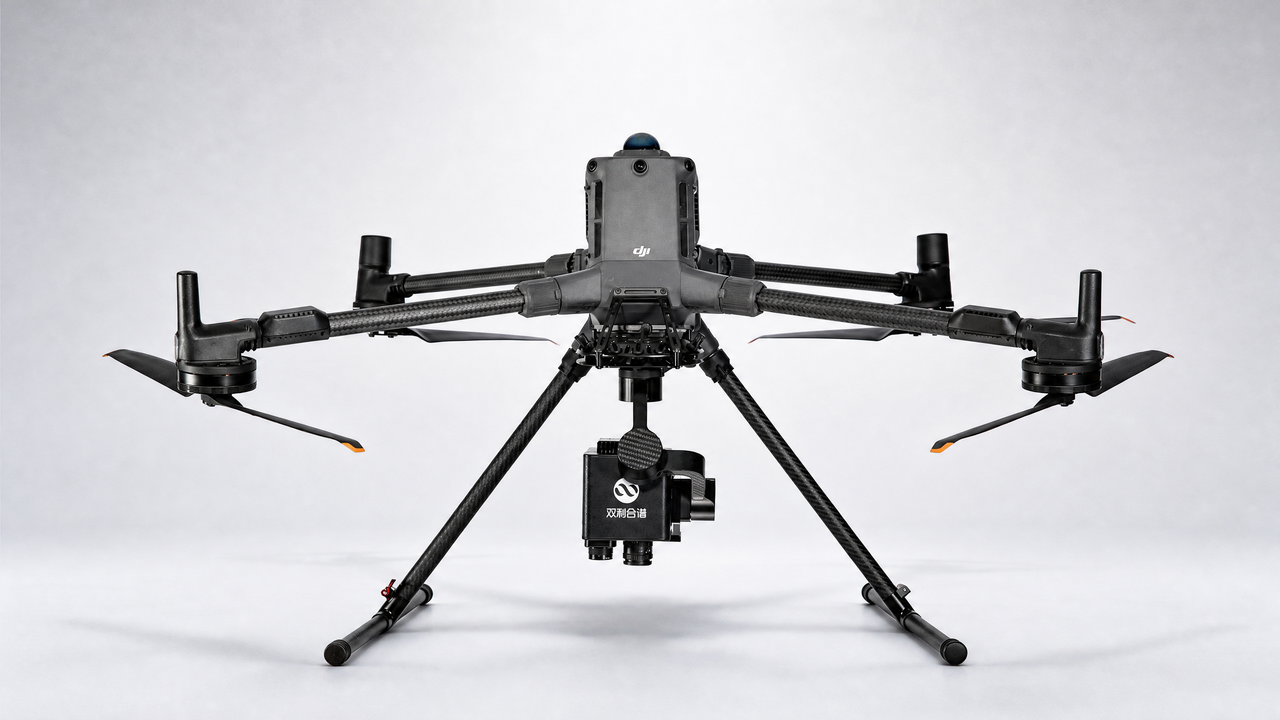
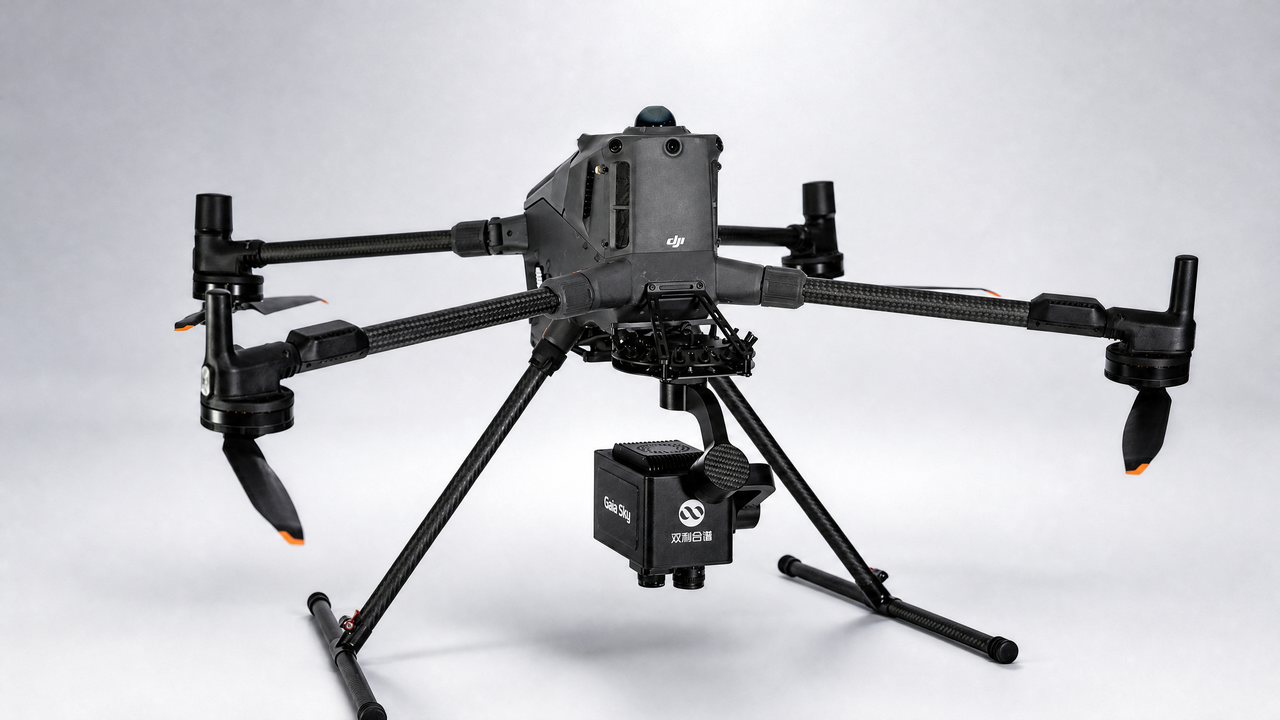
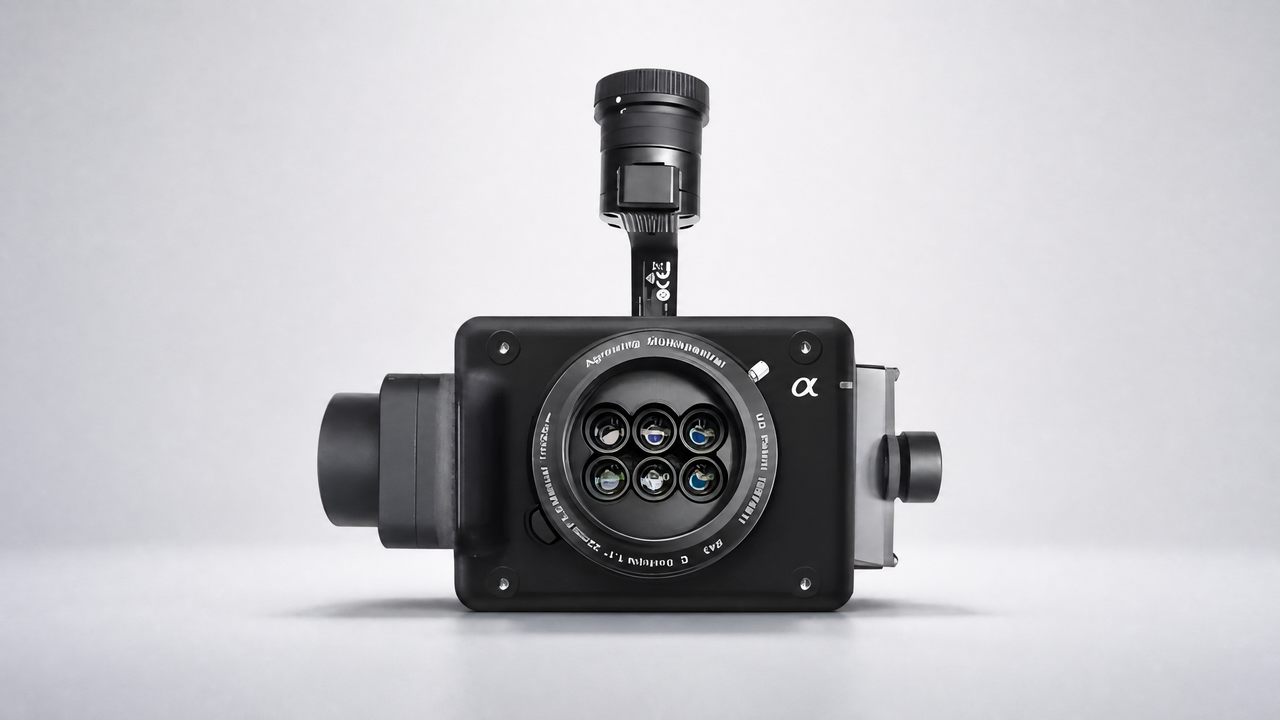
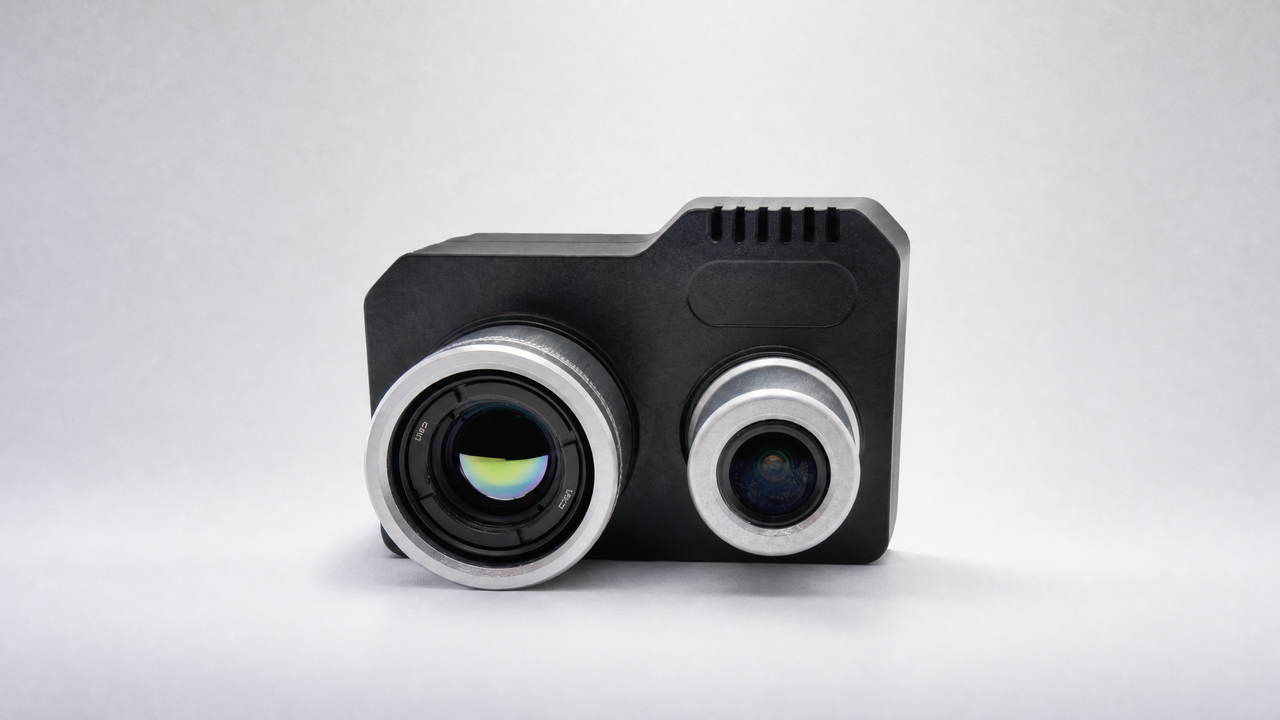
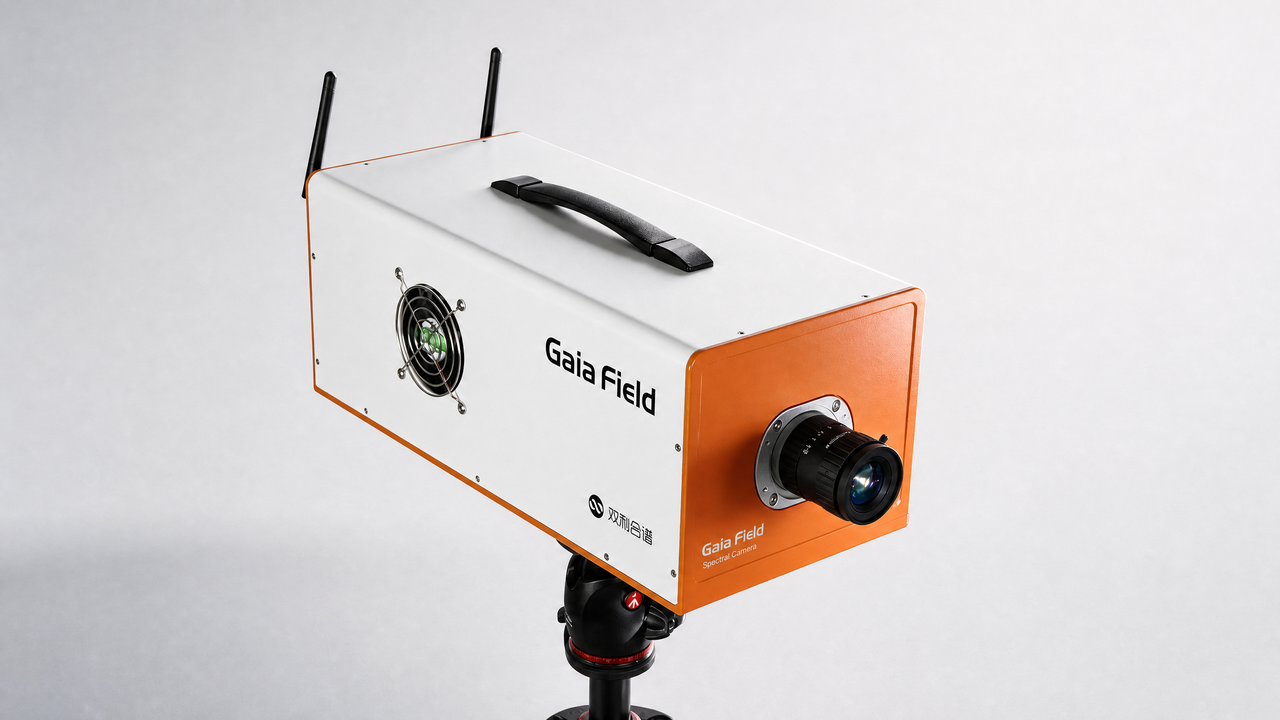
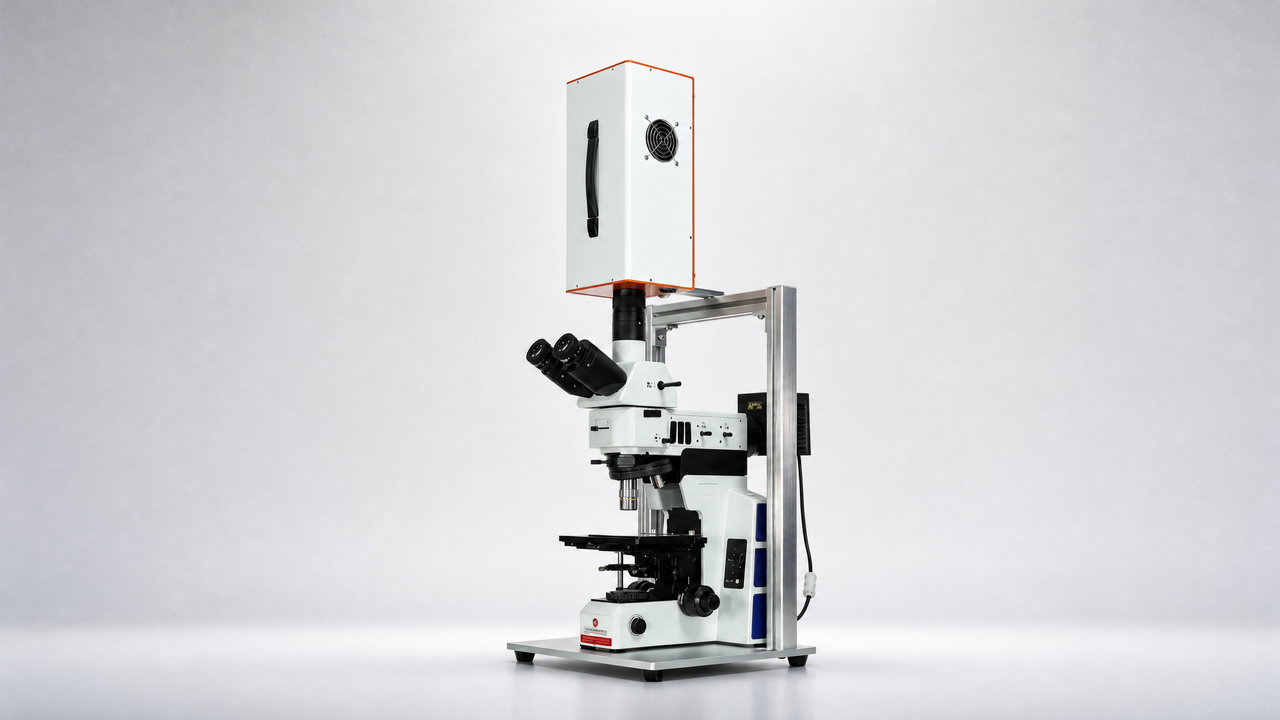
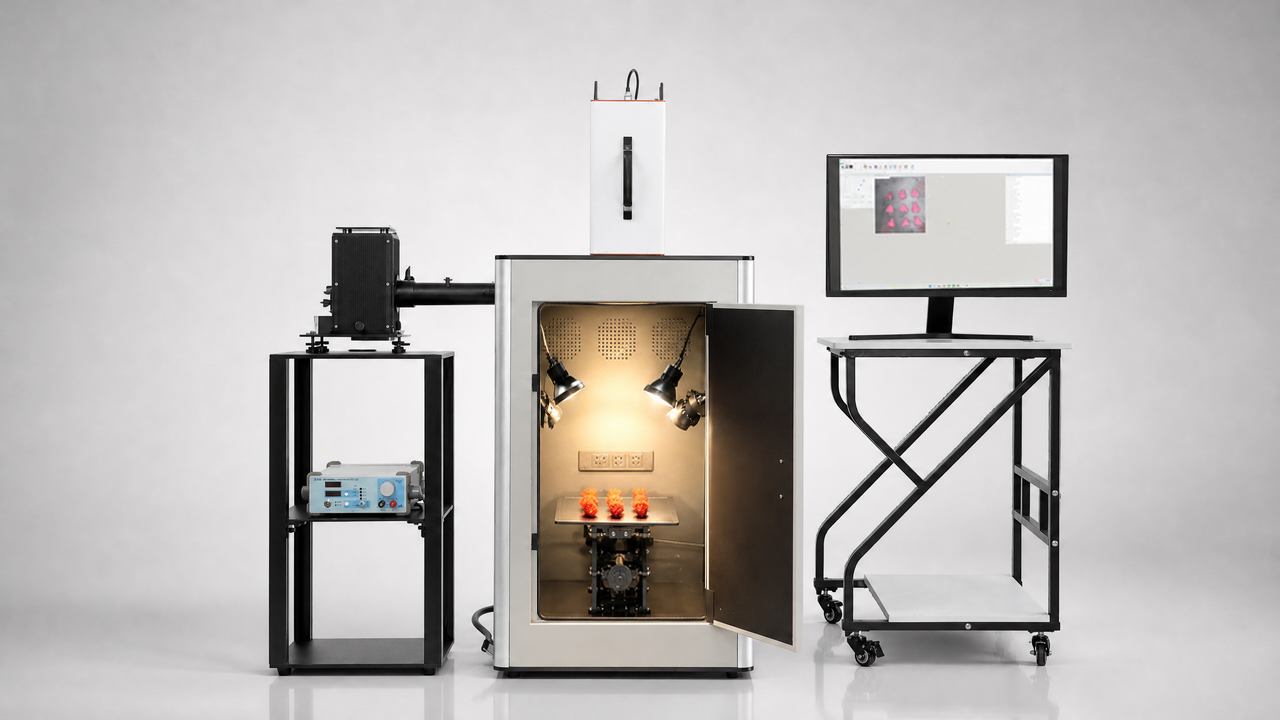
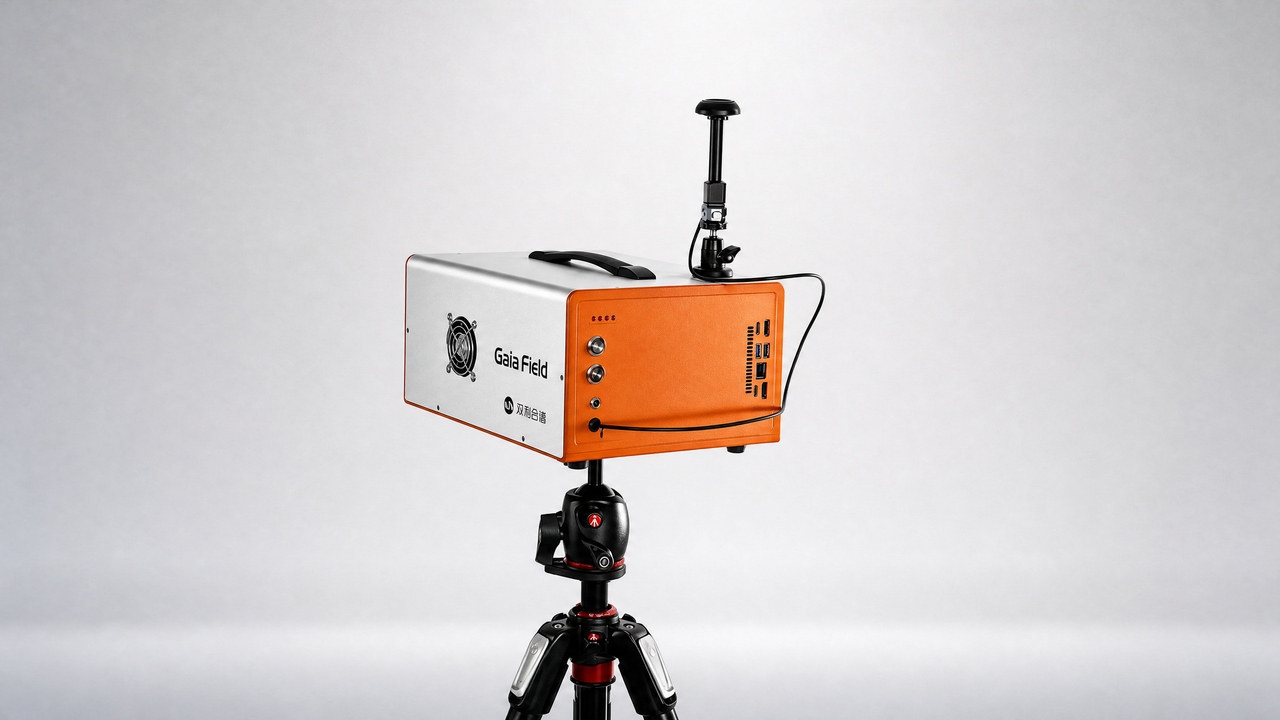
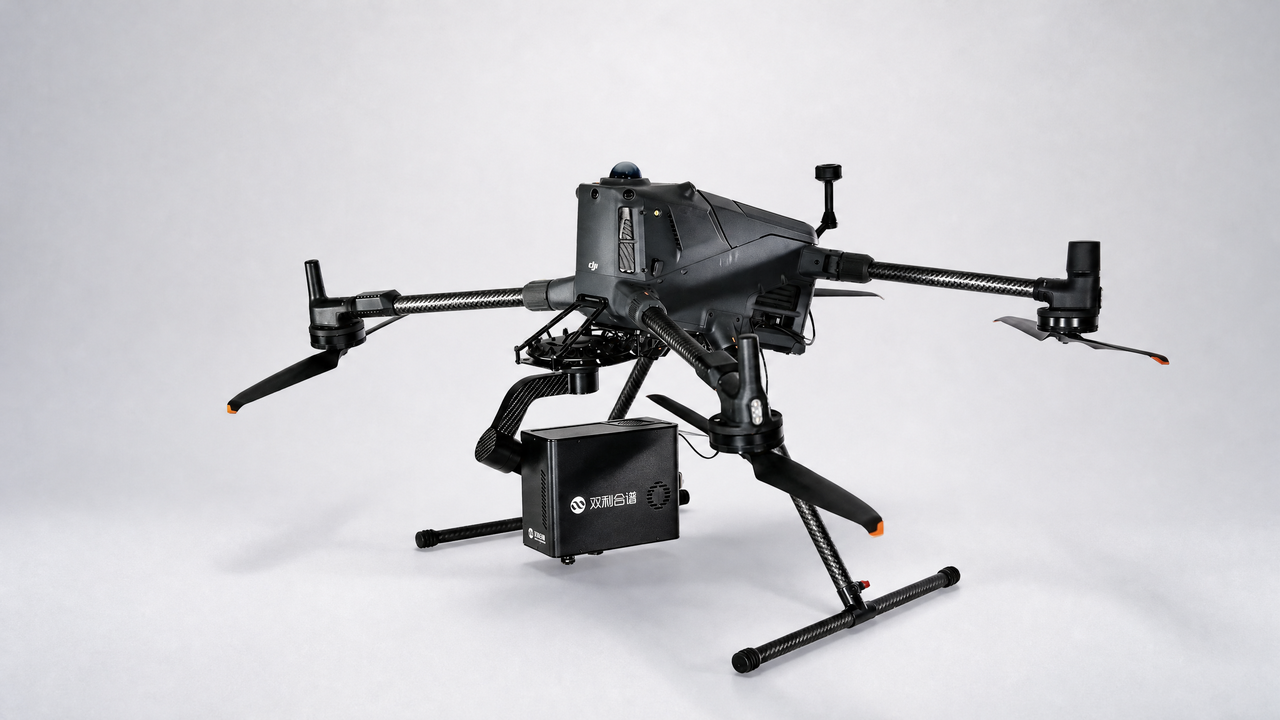
设备:GaiaField
Integration of Partial Least Squares Regression and Hyperspectral Data Processing for the Nondestructive Detection of the Scaling Rate of Carp (Cyprinus carpio)
Abstract:The scaling rate of carp is one of the most important factors restricting the automation and intelligence level of carp processing. In order to solve the shortcomings of the commonly-used manualdetection, this paper aimed tostudythepotential of hyperspectral technology (400–1024.7 nm) in detecting the scaling rate of carp. The whole fish body was divided into three regions (belly, back, and tail) for analysis because spectral responses are di erent for di erent regions. Di erent preprocessing methods, including Savitzky–Golay (SG), first derivative (FD), multivariate scattering correction (MSC), and standard normal variate (SNV) were applied for spectrum pretreatment. Then, the successive projections algorithm (SPA), regression coe cient (RC), and two- dimensional correlation spectroscopy (2D-COS) were applied for selecting characteristic wavelengths (CWs), respectively. The partial least square regression (PLSR) models for scaling rate detection using full wavelengths (FWs) and CWs were established. According to the modeling results, FD-RC-PLSR, SNV-SPA-PLSR, and SNV-RC-PLSR were determined to be the optimal models for predicting the scaling rate in the back (the coe cient of determination in calibration set (RC2) = 96.23%, the coe cient of determination in prediction set (RP2) = 95.55%, calibration (RMSEC) =6.20%,therootmeansquareerrorbyprediction(RMSEP) =7.54%,andtherelativepercent deviation (RPD) = 3.98), belly (RC2 = 93.44%, RP2 = 90.81%, RMSEC = 8.05%, RMSEP = 9.13%, and RPD=3.07)andtail (RC2 = 95.34%, RP2 = 93.71%, RMSEC = 6.66%, RMSEP =8.37%, and RPD=3.42) regions, respectively. It can be seen that PLSR integrated with specific pretreatment and dimension reduction methods had great potential for scaling rate detection in di erent carp regions. These results confirmed the possibility of using hyperspectral technology in nondestructive and convenient detection of the scaling rate of carp.
Keywords:carp; scaling r ate; hyperspectral; partial least square regression; preprocessing