














返回列表
基于显微高光谱成像和改进的检测模型检测土壤中恶性真菌厚垣孢子
医学检测
2026/09/21
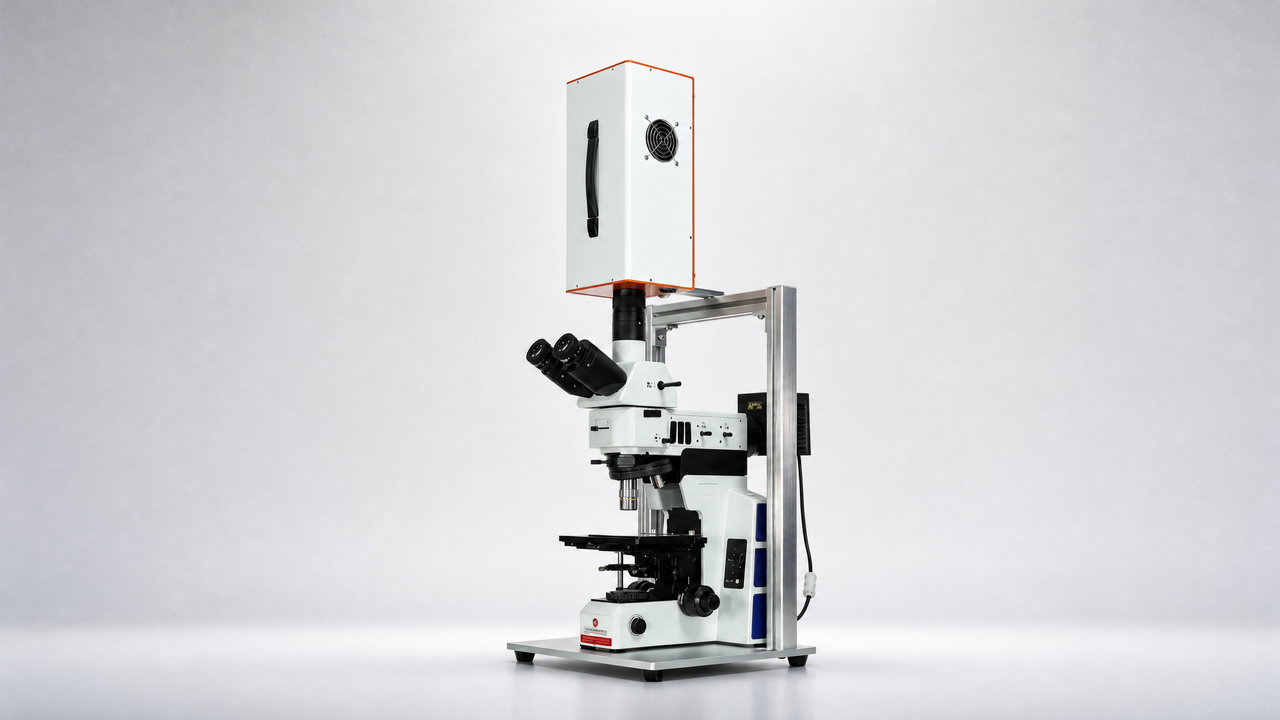
摘要:双孢蘑菇恶性真菌病具有高度传染性,早期症状不明显,侵染期长。目前,缺乏一种方便和快速的手段来发现这 种疾病,以便早期控制。本文利用该疾病的传播途径,重点研究了M.有害厚垣孢子检测污染土壤。M.的显微高光谱图像。 获得污染土壤中有害生物厚垣孢子,建立检测模型。在小目标和复杂背景下,我们提出了一种基于更快的区域卷积神经 网络(( Faster R-CNN)的改进孢子检测模型。此外,我们结合残差网络Resnet 50和特征金字塔网络(( FPN),在多个尺度 上提取厚孢子目标特征。 同时,我们通过增加两个小尺度来优化区域建议网络(( RPN)区域建议生成,以提高检测模型 的性能。前三个主成分(95%以上的信息)和 RGB 图像分别被选为模型输入,最终的平均精度(AP)分别为 94.68%和 92.35%。该基于 PC 的模型还与 Faster R-CNN 的基于 VGG 16 和 Resnet 50 的特征提取网络以及 YOLOv 3 模型的基于 Darknet 53 的特征提取网络进行了比较,发现 AP 分别提高了 5.41%,4.78%和 6.34%。结果表明,微高光谱成像结合深 度学习方法,可以准确检测土壤中的厚垣孢子,为M. A. perniciosa病双孢菌。
关键词:显微高光谱成像;深度学习;更快的R-CNN;小目标检测;双孢蘑菇。
期刊:European Journal of Agronomy
DOI:https://doi.org/10.1016/j.eja.2023.127007
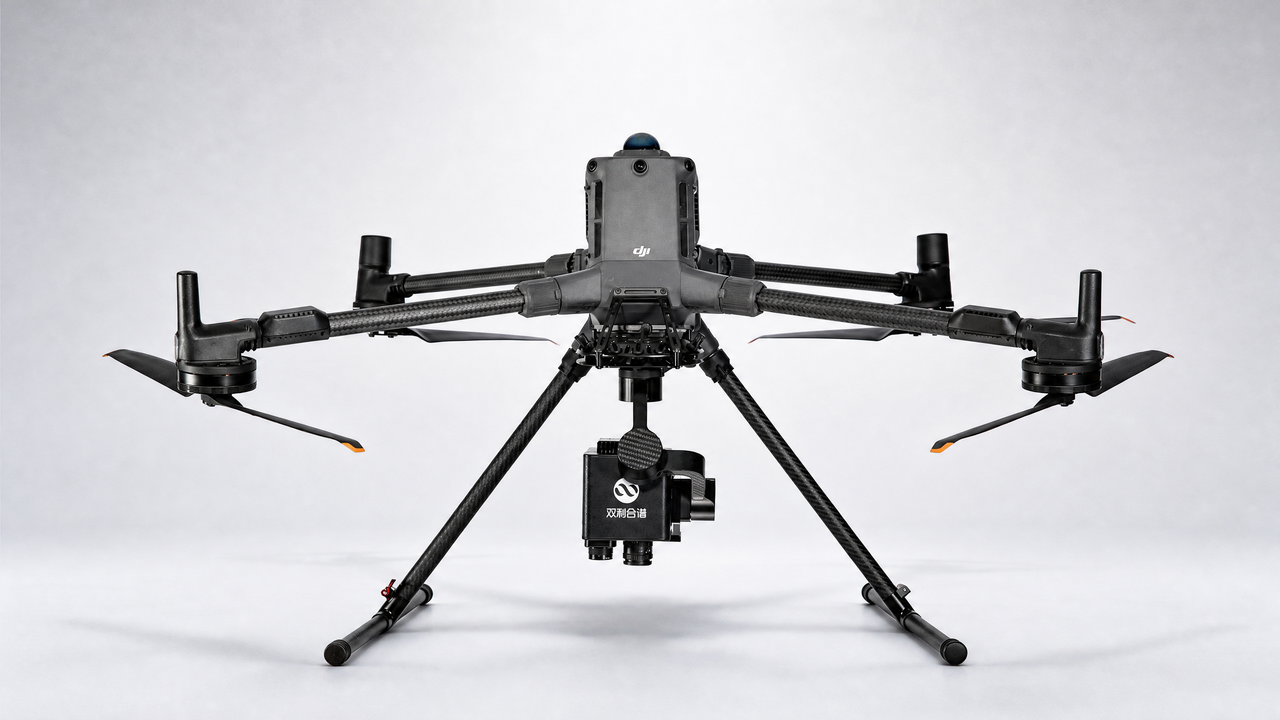
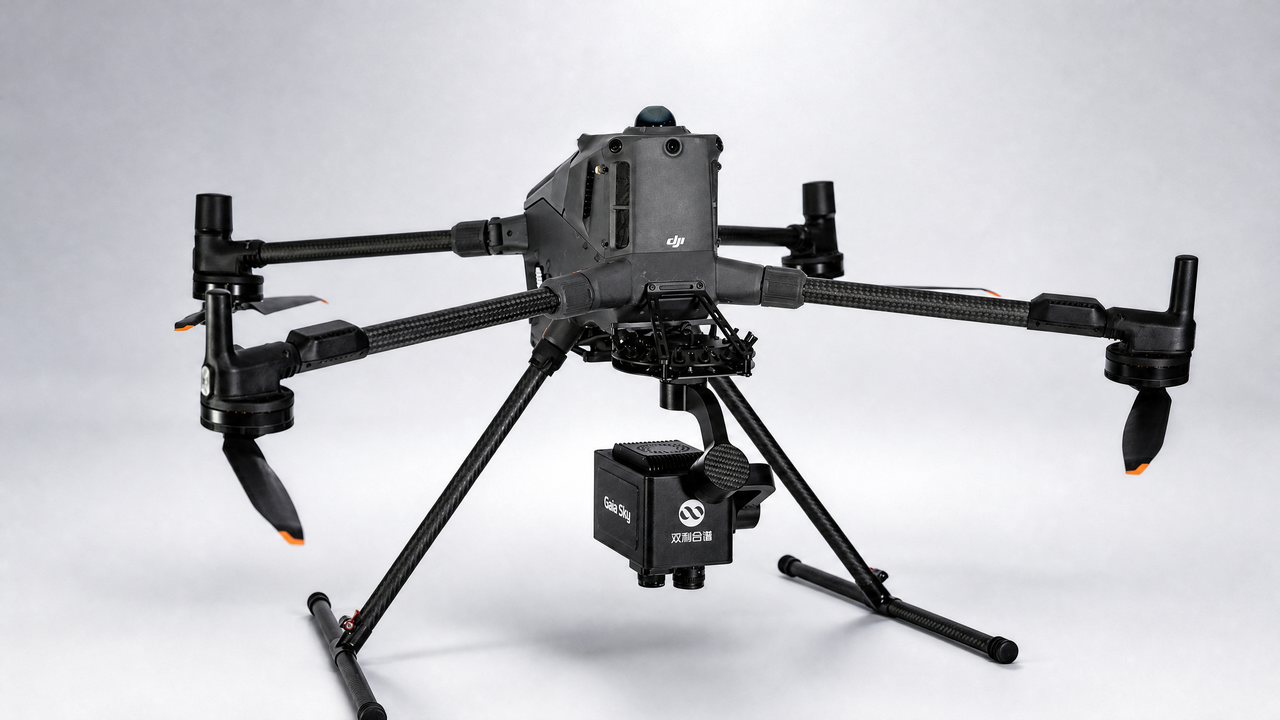
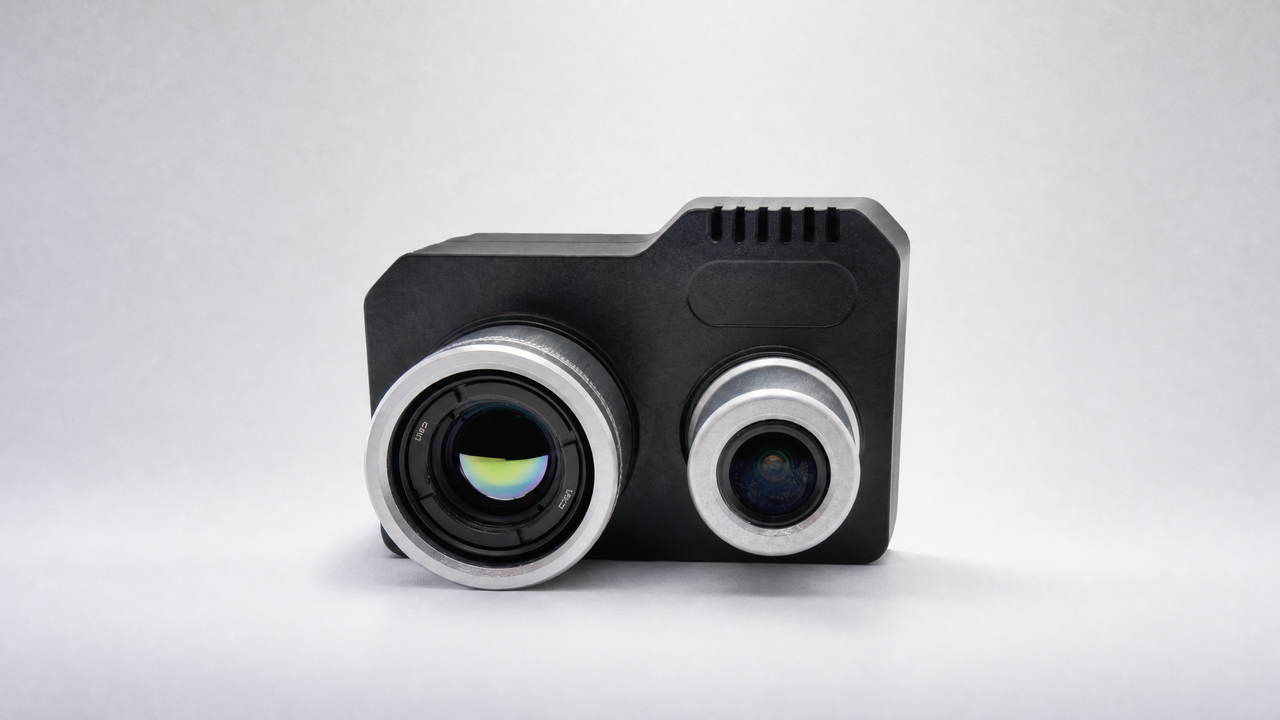
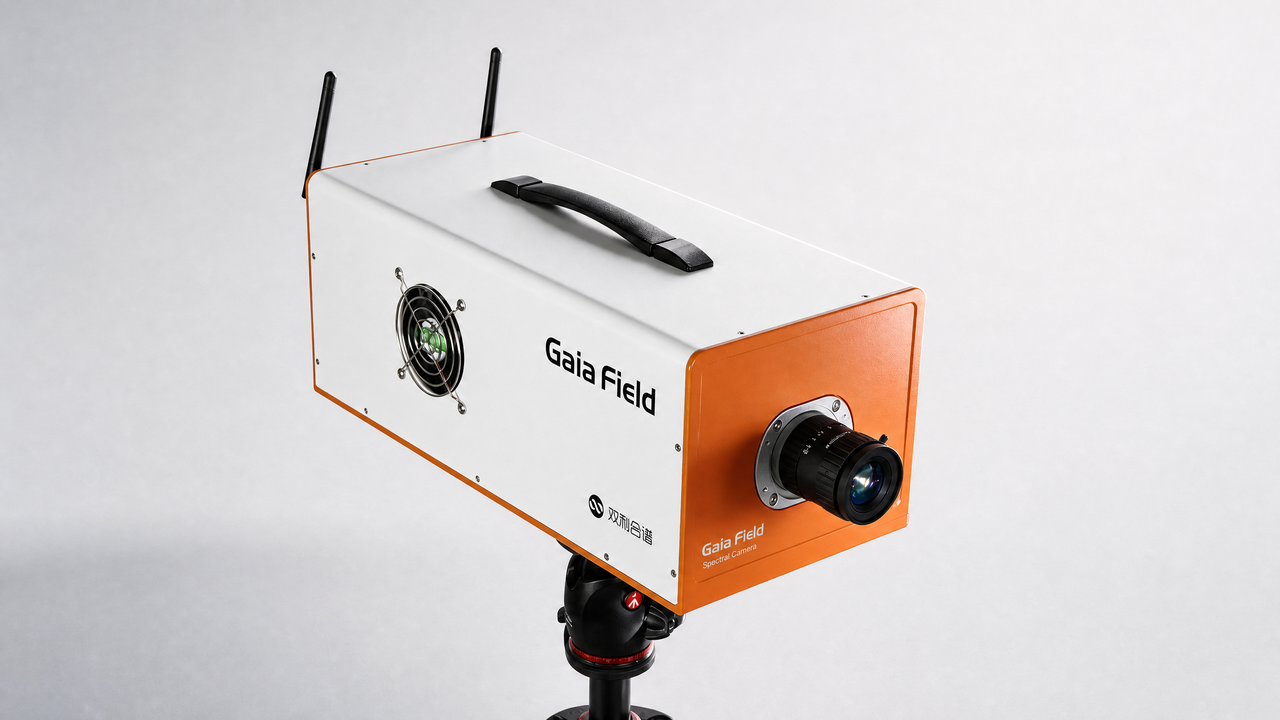
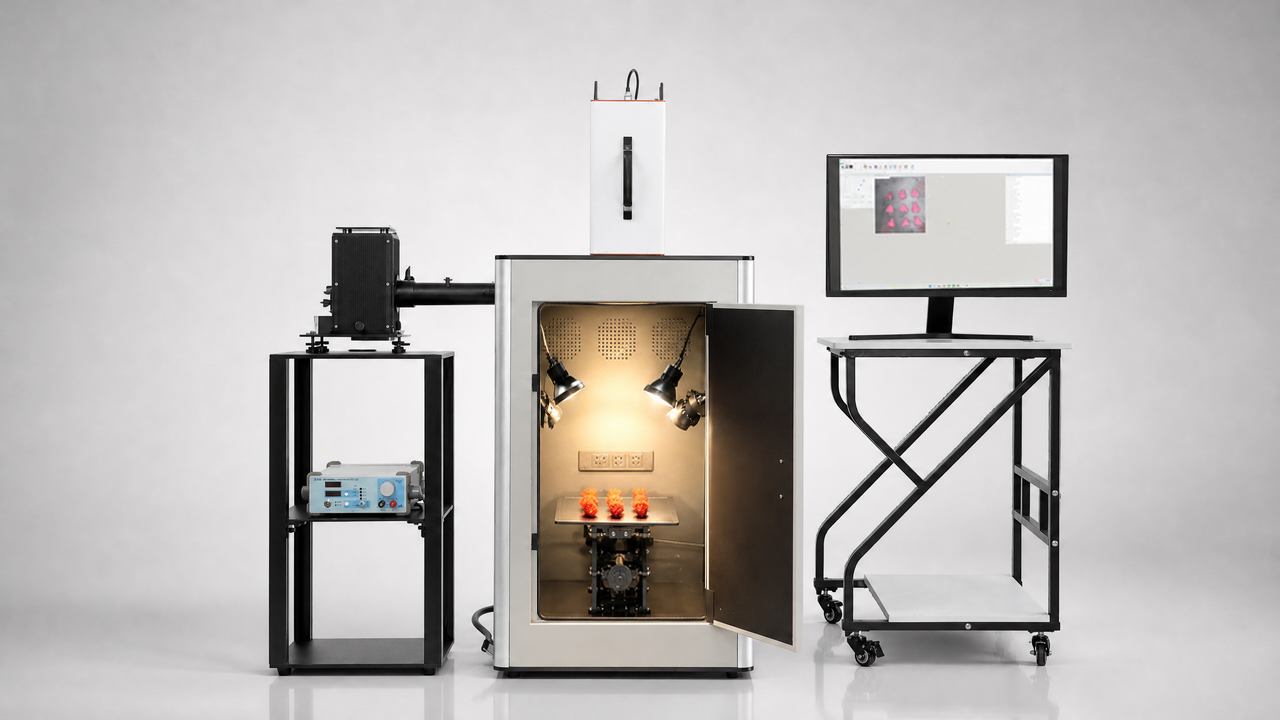
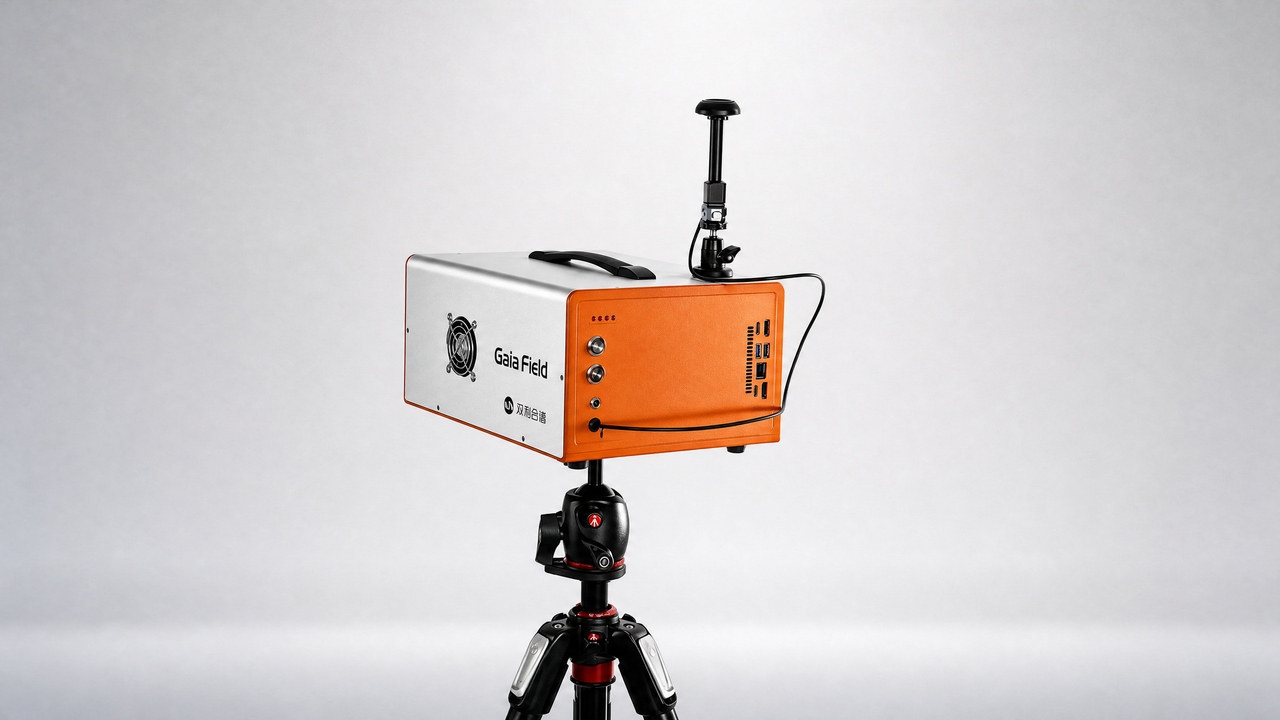
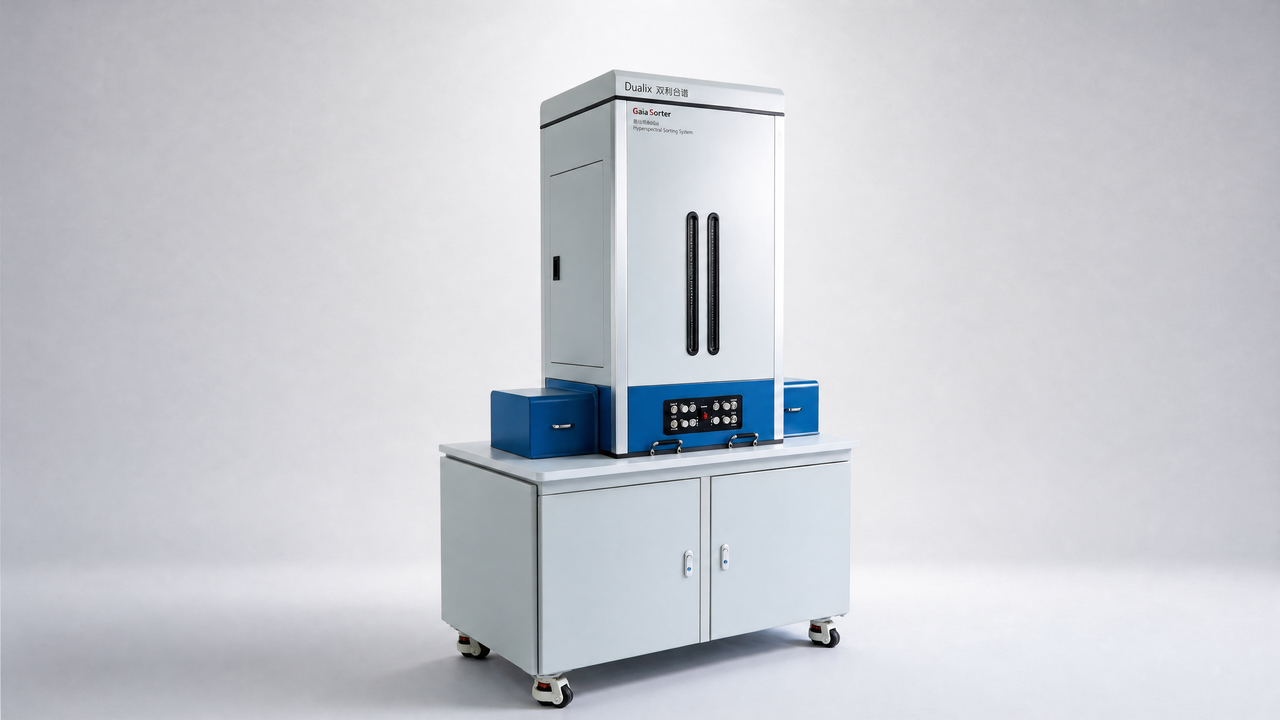
设备:GaiaField
Microscopic hyperspectral imaging and an improved detection model based detection of Mycogone perniciosa chlamydospore in soil
Abstract:The Mycogone perniciosa disease of Agaricus bisporus is highly contagious, with insignificant early symptoms and a long infestation period. Currently, there is a lack of a convenient and rapid means to detect the disease for early control. By using the transmission route of the disease, this paper focuses on M. perniciosa chlamydospore detection in contaminated soil. Microscopic hyperspectral images of M. perniciosa chlamydospore in contami nated soil were obtained to establish a detection model. Given a small target and a complex background, we proposed an improved spore detection model based on a faster regional convolutional neural network (Faster R- CNN). Furthermore, we combined the residual network Resnet50 and feature pyramid network (FPN) to extract thick spore target features at multiple scales. Meanwhile, we optimized the region proposal network (RPN) re gion proposal generation by adding two small scales to improve the performance of the detection model. The first three principal components (with 95% or more information) and RGB images were selected as model inputs, respectively, and the final average precision (AP) was 94.68% and 92.35%, respectively. This PC-based model also was compared to the VGG16 and Resnet50-based feature extraction networks of Faster R-CNN and Darknet53-based feature extraction network of the YOLOv3 model, and the AP was found to improve by 5.41%, 4.78%, and 6.34%, respectively. The results showed that micro-hyperspectral imaging combined with deep learning methods could accurately detect the chlamydospore in the soil, providing new methods and ideas for the early prevention and detection of M. perniciosa disease of A. bisporus.
Keywords:Microscopic hyperspectral imaging, Deep learning, Faster R-CNN, Small target detection, Agaricus bisporus.